Lumetra Lumetra

China Wholesale Ethernet Prototyping Board Factories & Supplier

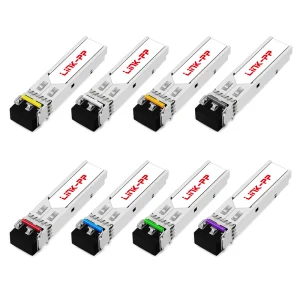
High-speed optical transceivers, integrated magnetics, and advanced interconnect systems designed for datacom, cloud networking infrastructure, and telecommunications.

Technical Whitepaper: Accelerating Network Hardware Design

An in-depth analysis of high-speed transmission prototyping, component level integration, and supply chain strategies.

Modern telecommunications, enterprise datacenters, and cloud compute nodes require unprecedented rates of signal transmission accuracy. At the heart of prototyping these network devices are Ethernet Prototyping Boards. Design engineers rely on these versatile environments to perform critical signal integrity tests, evaluate electromagnetic interference (EMI) performance, and validate system-level performance prior to full-scale fabrication.

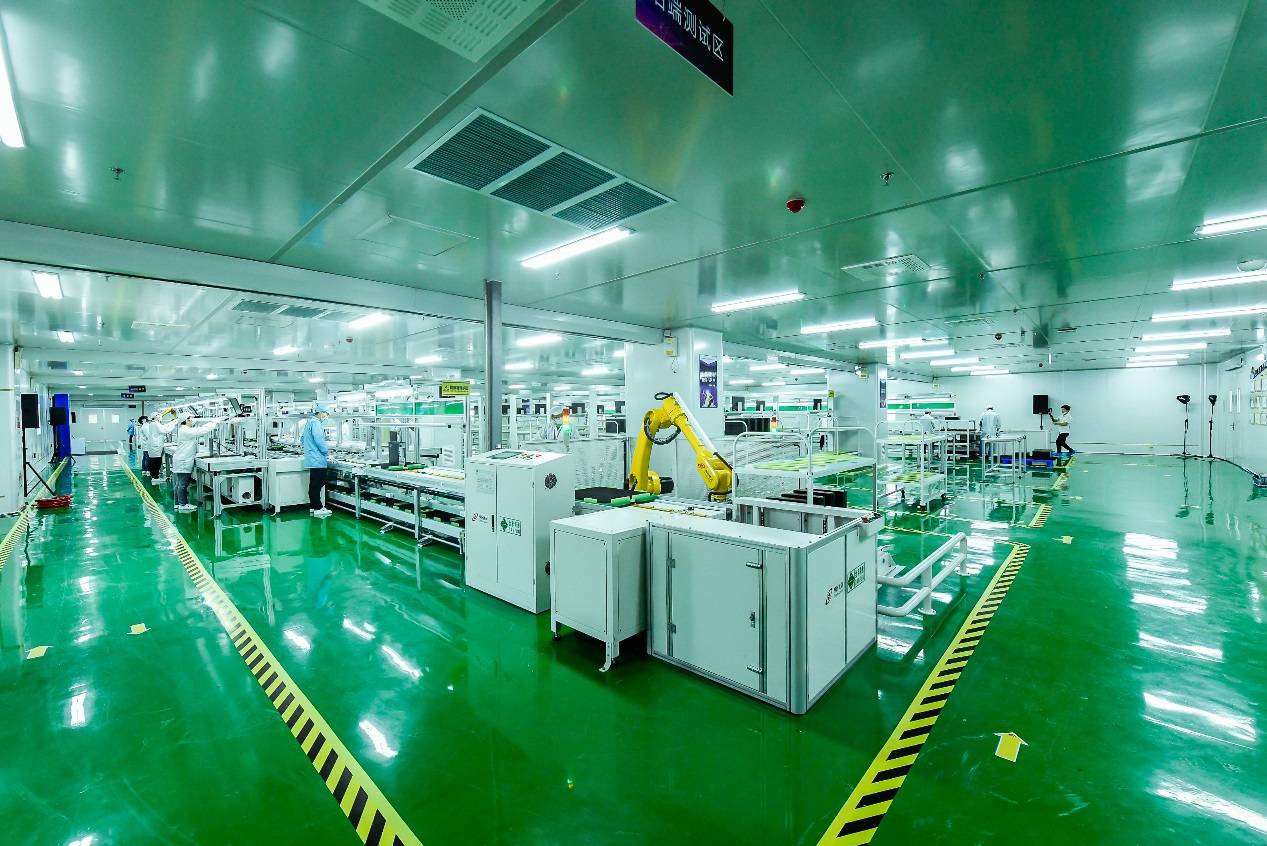
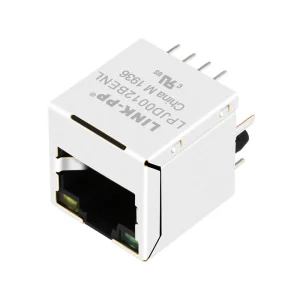
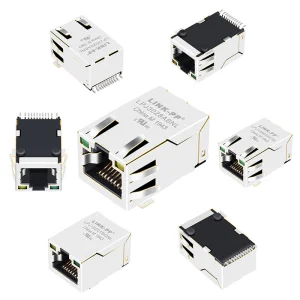
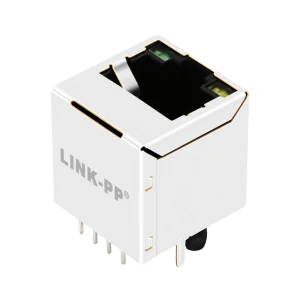
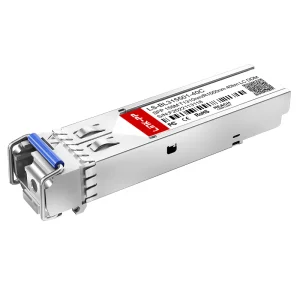
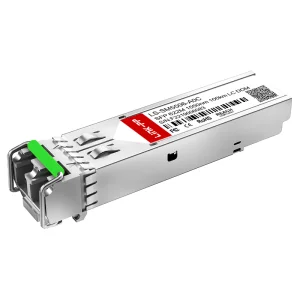
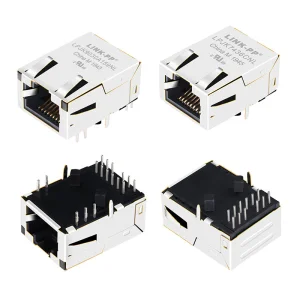
Lumetra Optoelectronics Technologies Co., Ltd., founded in 2016, stands as a specialized leader in engineering high-reliability networking hardware components. Operating a production layout spanning over 8,500 square meters, Lumetra bridges the gap between raw component development and dynamic system validation. We supply not just raw parts, but complete hardware solutions, from specialized vertical modular RJ45 connectors to high-performance SFP28 transceiver modules.

For design engineers and systems procurement specialists, prototyping boards serve several critical needs:

  • Electrical Signal Integrity (SI) Verification: Ensuring signal paths exhibit minimal attenuation, cross-talk, and return loss at high frequencies.
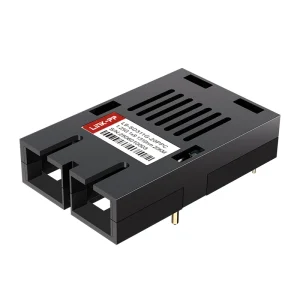
  • Multi-Protocol Compatibility Testing: Allowing co-existence of copper and optical pathways, adapting SFP modules with integrated physical layer transceivers (PHY).
  • Thermal Stress Profile Analysis: Assessing the heat profile of optical modules operating at peak loads, ensuring proper heat sink contact and passive air-flow.
  • Regulatory Compliance Dry Runs: Using shielded cage assemblies and high-performance magnetic jacks to establish EMI benchmarks that conform to international electromagnetic compatibility (EMC) standards.

Manufacturing Precision & Verification Statistics

Every transceiver and interconnect assembly is backed by strict optical testing, environmental stress screening, and rigorous quality control protocols.

86
R&D Engineers
48
QC Inspectors
8,500㎡
Production Facility
220+
New Products Annually

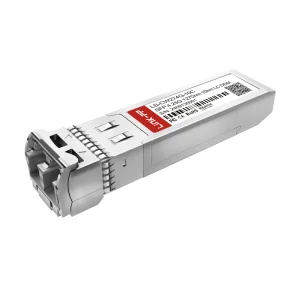
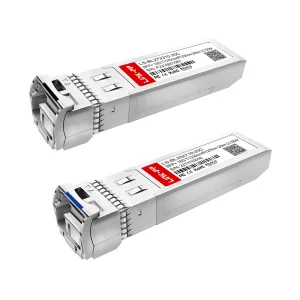
Lumetra manages the production floor with absolute adherence to international engineering frameworks. Leveraging our 11 years of industry experience and 7 years of direct export history, our engineering teams are highly adept at customizing electrical interfaces, firmware protocols, and packaging configurations. In the past fiscal year alone, Lumetra introduced approximately 220 new products, driven heavily by enterprise demand for high-speed optics (like 100G QSFP28 modules and LWDM SFP28 25G transceivers) and high-reliability SMT PCB connectors.

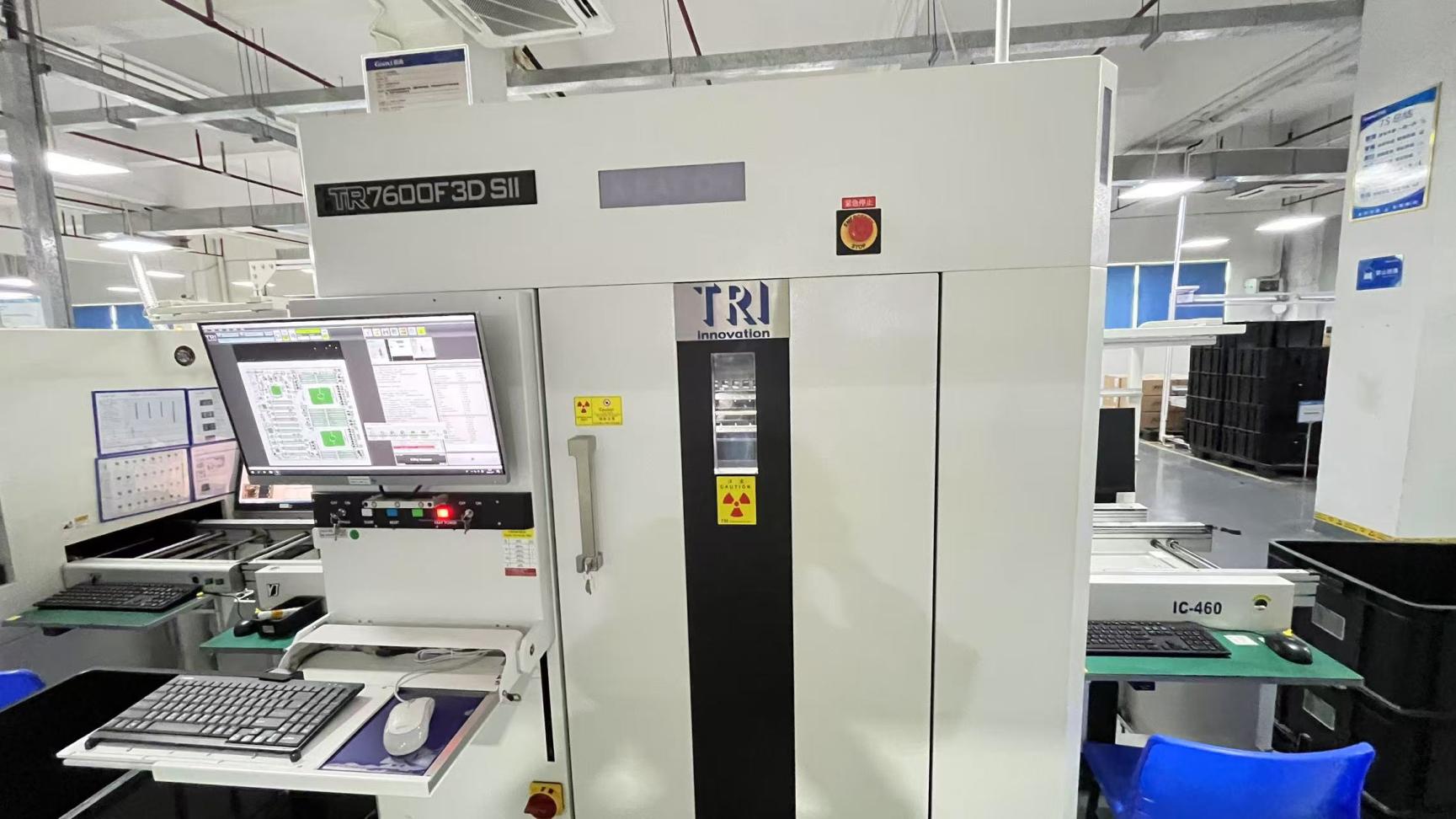
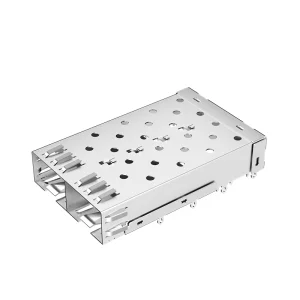
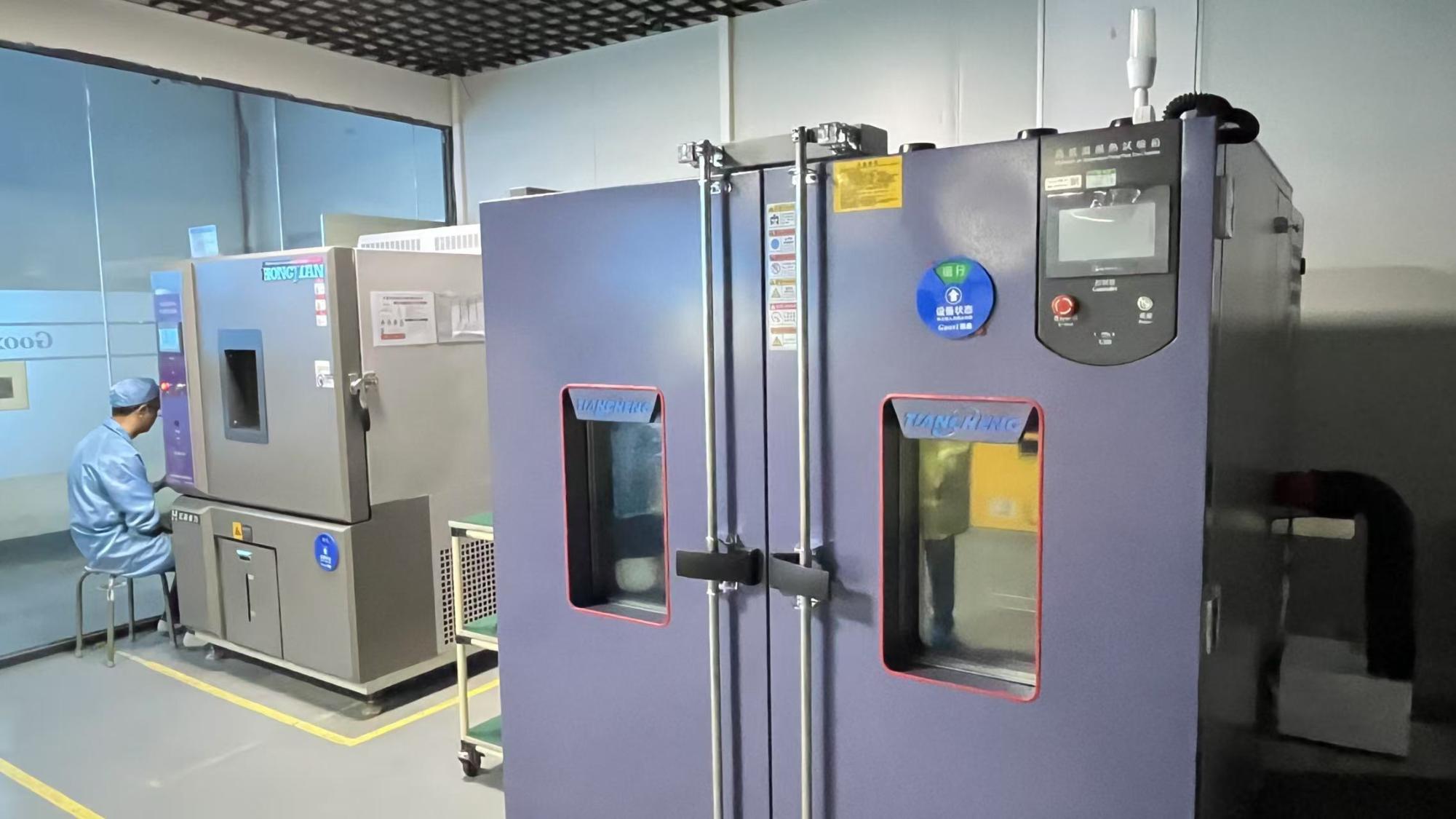
Quality checks are performed at every critical production step. From the initial die bonding of high-power laser units to the robotic assembly of EMI-shielded Press-Fit SFP cages, the output is continually verified. The quality assurance team utilizes state-of-the-art optical spectrum analyzers, digital communication analyzers for eye-diagram tests, and specialized climate chambers to execute environmental stress screening (ESS). The objective is clear: Zero failure upon integration with the customer's design system.

Why OEM/ODM Sourcing from China Makes Strategic Sense

By coordinating with over 1,200 verified supply chain partners, Lumetra guarantees structural cost efficiency, rapid component turnarounds, and robust raw-material resilience. This integrated base enables fast engineering prototype builds (NPI) and immediate transitions to high-rate production lines.

Key advantages of our supply chain integration:

  • Raw Material Consolidation: Instant access to high-purity PCB substrates, specialized optical glass fibers, and precision metal alloys for SFP cage manufacturing.
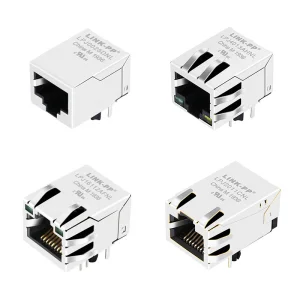
  • Agile Customization (OEM/ODM): Tailoring pin configuration (10-pin, 12-pin, 16-pin) on SMT connectors and tweaking optical transceiver firmware to ensure compatibility with major switch manufacturers.
  • Cost Amortization: High-volume automated lines lower unit assembly costs, passing direct savings to telecommunication providers and enterprise system integrators.

Guaranteed Component Traceability

Every batch of raw materials is logged via ERP, enabling full lifecycle tracking from sub-component to deployed module.

Accelerated Lead Times

Prototyping orders processed in days rather than months, backed by ready stocks of standard housings, cages, and magnetics.

Localization, Global Regulatory Compliance, and Standards

Ensuring cross-border compliance, absolute hardware interoperability, and localized technical integration support.

For global enterprises deploying communication networks in North America, Europe, and Asia, compliance is not optional. Prototyping hardware must adhere to international specifications to guarantee safe, reliable, and compliant long-term deployments. Lumetra prioritizes rigorous design validation matching critical international benchmarks:

EMI & EMC Shielding

Designing structures like the TE-compatible 1888424-1 SFP Cage with integrated through-hole press-fit pins to suppress high-frequency EMI leakage and ensure FCC Part 15 / EN 55032 compliance.

RoHS & REACH Directives

Selecting only green-compliant plastics, lead-free solder pastes, and non-hazardous plating methods. This simplifies supply compliance for EU-bound hardware ecosystems.

IEEE Standards Adherence

Our optical transceivers and modular jacks align strictly with IEEE 802.3 Ethernet guidelines, securing reliable auto-negotiation, PoE+ power delivery, and low bit-error rates (BER).

Lumetra provides direct local communication interfaces to system developers. By offering localized data sheet breakdowns, pinout customizations, and electrical mapping support, our engineering division helps clients overseas solve complex layout integration challenges on their proprietary carrier boards, ensuring a seamless path to commercial launch.

Enterprise Procurement Decision Framework

A step-by-step validation guide for optical network hardware procurement managers, systems integrators, and design architects.

Procuring network components for mission-critical infrastructure demands a thorough risk-mitigation framework. When evaluating a supplier for Ethernet prototyping boards and transceivers, we recommend prioritizing the following dimensions:
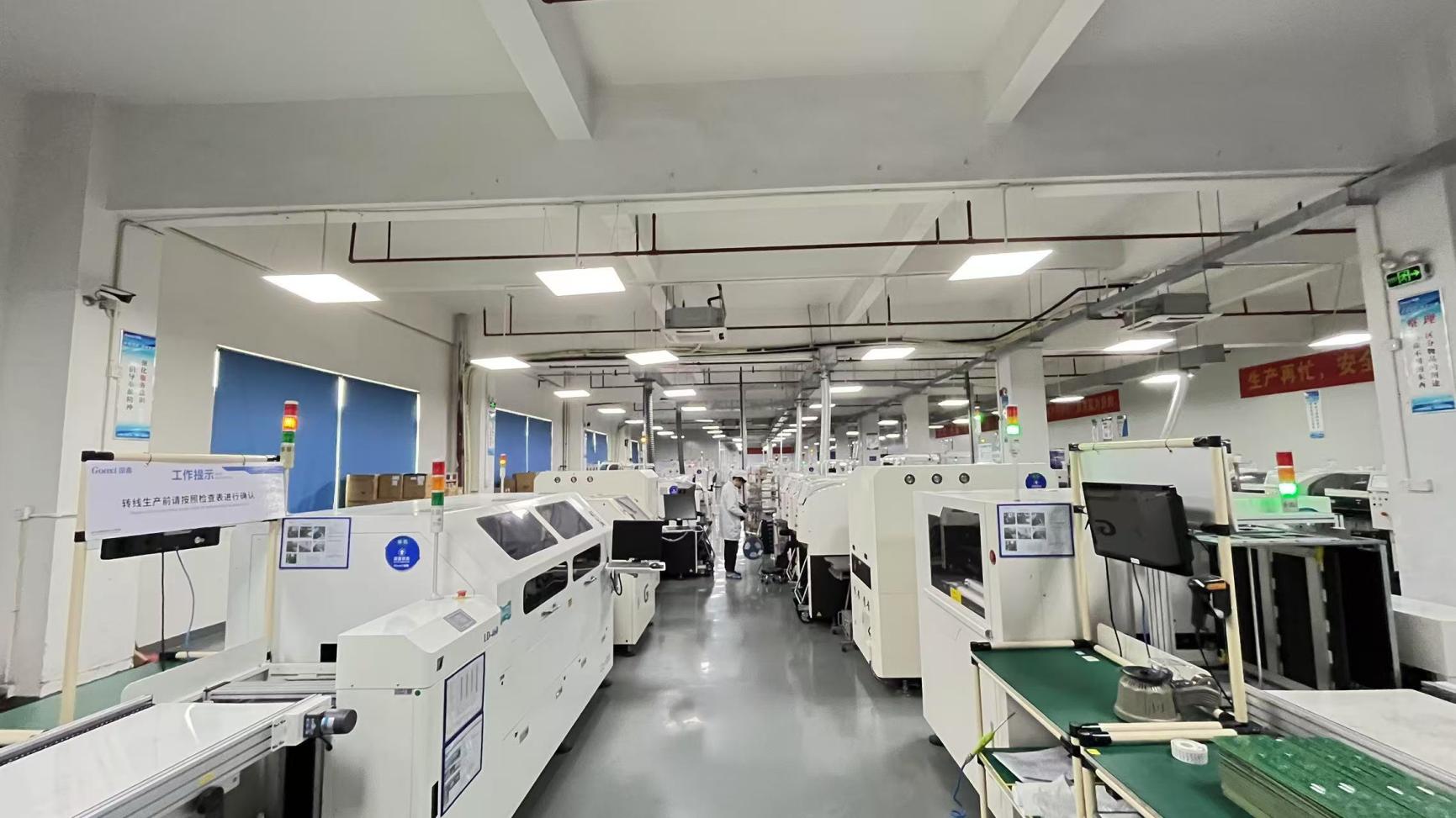
  1. Verification of Manufacturing Depth: Look for partners who maintain direct ownership of their assembly plants. Lumetra’s 8,500㎡ facility ensures direct process control, unlike brokers or trading agents.
  2. Assessment of R&D Resource Scale: High-density interconnect designs encounter complex routing problems. An engineering team of 86 design engineers is crucial for handling custom modifications such as impedance adjustments and firmware programming.
  3. Testing Equipment Integrity: Ensure the factory uses automated test patterns, digital oscilloscopes, and optical spectrum evaluation. Standardized testing keeps field failures to an absolute minimum.
  4. Quality Control Ratios: The presence of 48 QC inspectors ensures that testing parameters are consistently verified across multi-shift production runs.

Next-Gen Networking Hardware Trends & Applications

We are witnessing rapid evolutions in datacenter fabrics and interconnect architectures. Driven by AI computing clusters and distributed virtualization, standard prototyping parameters have drastically changed:

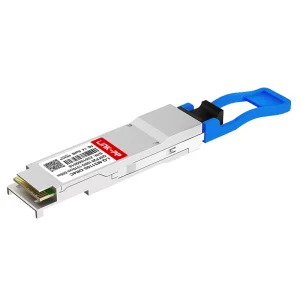
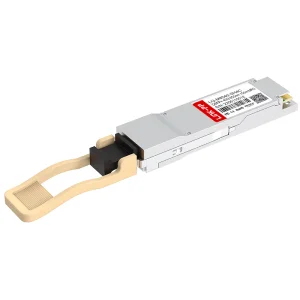
  • Migration to High Bandwidth: Traditional gigabit rates are shifting toward 25G, 40G, and 100G interfaces on standard board layouts. Development boards must integrate low-profile cages and transceivers like the 100GBASE-PSM4 QSFP28 to keep pacing with these rates.
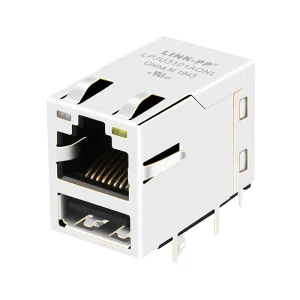
  • Power over Ethernet (PoE/PoE+) Deployment: Embedded industrial devices rely heavily on simplified wiring. Our SMT RJ45 connectors featuring built-in PoE support allow designers to deliver power and data over a single connection.
  • Optimized Footprints: As switches become increasingly compact, designers rely on low-profile, right-angle, and vertical top-entry magnetic jacks to maximize card-edge density.

Technical Interconnect Q&A

In-depth responses to common engineering, procurement, and hardware validation inquiries.

How does EMI shielding on SFP cage assemblies prevent signal degradation on a prototyping board?
High-frequency differential signaling introduces EMI which can leak into neighboring board traces, causing crosstalk. Shielded assemblies (like our press-fit housing models) connect directly to the system ground plane via multiple bezel ground tabs and solder/press-fit pins. This creates a Faraday cage around the transceiver module, minimizing external EMI emission and shielding the signal lanes from external interference.
What is the benefit of SMT Magnetic RJ45 connectors over standard non-magnetic jacks?
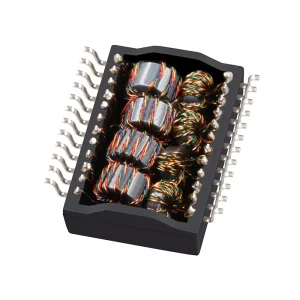
Integrated magnetic RJ45 jacks (or Magjacks) contain small toroidal transformers and common-mode chokes inside the plastic housing. These elements isolate the physical layer chip (PHY) from the cable, suppress common-mode noise, block electrical transients (such as static discharge), and match line impedance. Using SMT versions optimizes assembly speeds on pick-and-place lines.
Can Lumetra customize transceiver firmware for compatibility with existing switches?
Yes. Our R&D team can program the transceivers' EEPROM/microcontrollers with custom device configurations, serial numbers, and vendor identifiers. This guarantees that modules like our SFP28 25G and QSFP28 100G transceivers initialize properly and bypass strict software locking mechanisms on switches from major network equipment manufacturers.
How does PoE integration alter PCB footprint designs?
A standard RJ45 passes signal pairs directly to the PHY. A PoE-enabled connector must route power rails from the central center taps of the isolation transformers to a dedicated power management integrated circuit (PMIC) on the board. Lumetra's PoE-integrated connectors consolidate these routing lines internally, reducing trace complexity on the host motherboard.
What testing measures does Lumetra implement for long-reach (e.g. 40km/100km) optical modules?
Long-reach modules require precise laser power, low chromatic dispersion, and high receiver sensitivity. Lumetra runs real-time Bit Error Rate (BER) testing over simulated fiber links up to 40km or 100km using optical attenuators, validating that the digital diagnostics monitoring (DDM) accurately reports laser temp, bias current, and optical power.