Lumetra
Lumetra
Lumetra
Explore our state-of-the-art low-profile RJ45 jacks, SFP+ cages, and optical transceivers engineered for minimum space and maximum throughput.
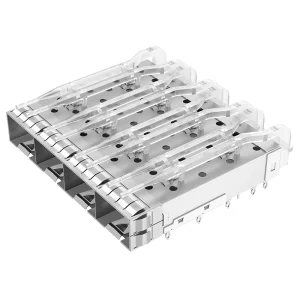
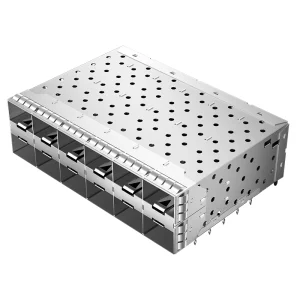
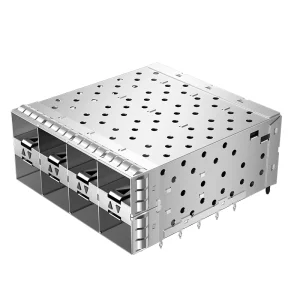
Optimizing signal integrity, thermal dissipation, and space utilization in state-of-the-art networking layouts.
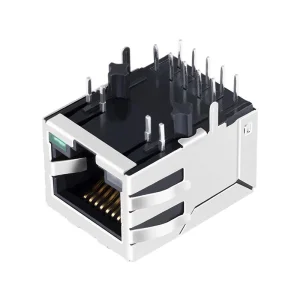
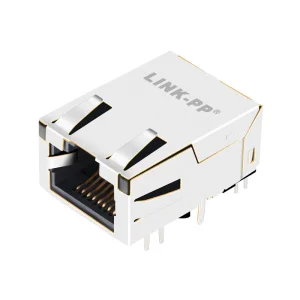
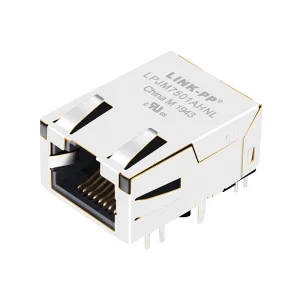
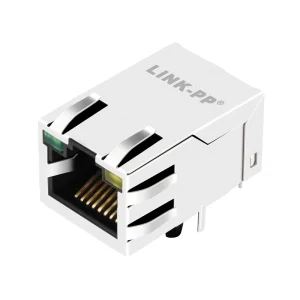
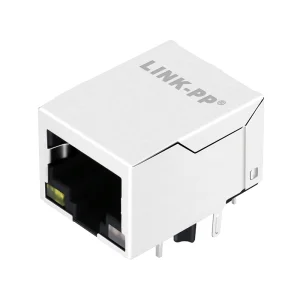
Modern telecommunication networks and space-constrained server racks require low-profile hardware designs. Standard RJ45 jacks typically stand over 14mm tall, posing integration challenges for standard PCIe cards and 1U server frames. Low-profile connectors reduce vertical height to less than 11.5mm, enabling higher component density on the PCB.
With high-speed copper and SGMII transceivers running adjacent to computational modules, electromagnetic interference (EMI) presents a significant signal degradation risk. Multi-point grounding contacts, metal shielding tabs, and press-fit assembly structures block high-frequency radiation, protecting internal signals from attenuation.
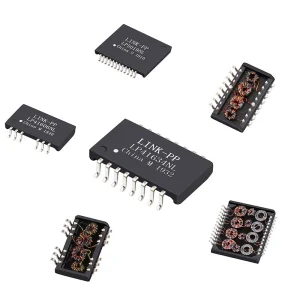
Integrated magnetic components (also known as MagJacks) incorporate isolation transformers and common-mode chokes directly into the connector body. This internal integration saves valuable board space, matches impedance parameters, and prevents electrical anomalies from damaging sensitive PHY chips.
Analyzing the supply chain density, manufacturing innovations, and quality assurance strategies driving global connectivity.
China is a primary hub for global electronics and communication hardware manufacturing. The concentration of component suppliers, raw material refiners, and automated assembly facilities allows domestic factories to scale production rapidly while maintaining competitive costs. Leading industrial regions like Guangdong and Zhejiang have developed complete component ecosystems, minimizing shipping times and component lead times.
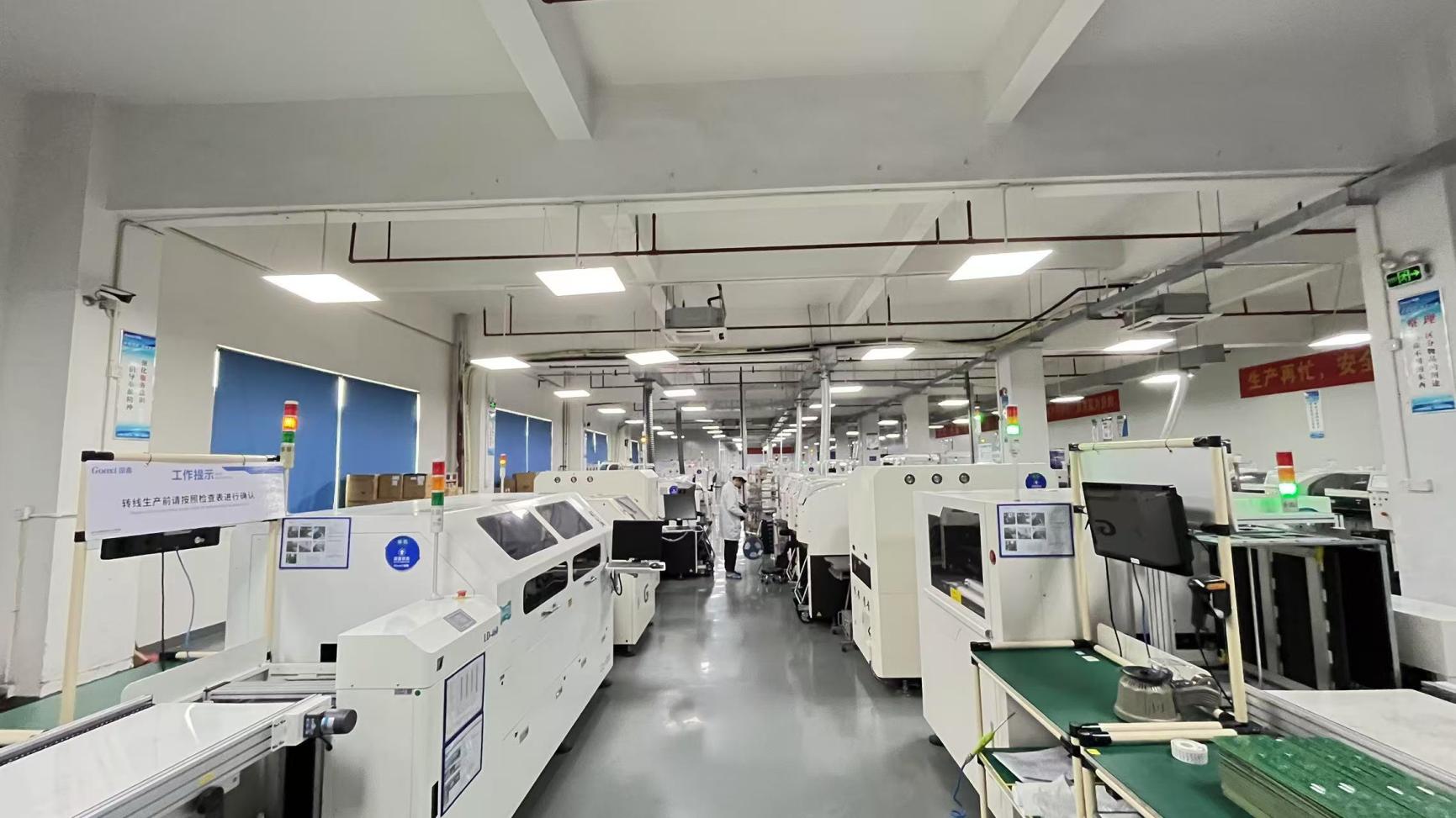
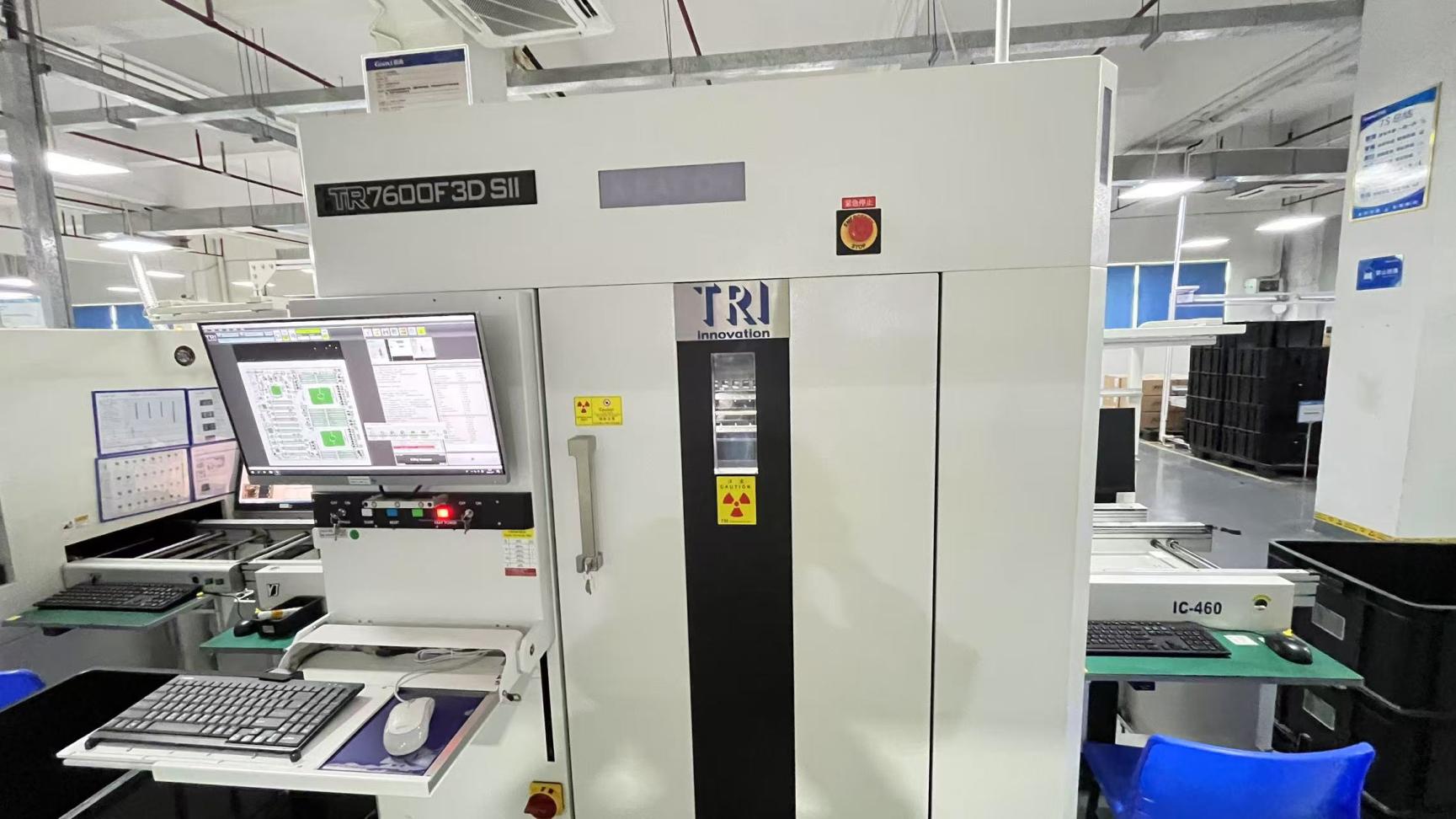
Furthermore, the shift from traditional assembly lines to high-speed robotic integration has updated the technical standards of Chinese manufacturers. Complex tasks like coplanarity inspection, automatic contact pin insertions, and optical transceivers validation are monitored by high-definition camera arrays. This ensures compliance with international performance baselines including RoHS, CE, FCC, and IEEE standards.
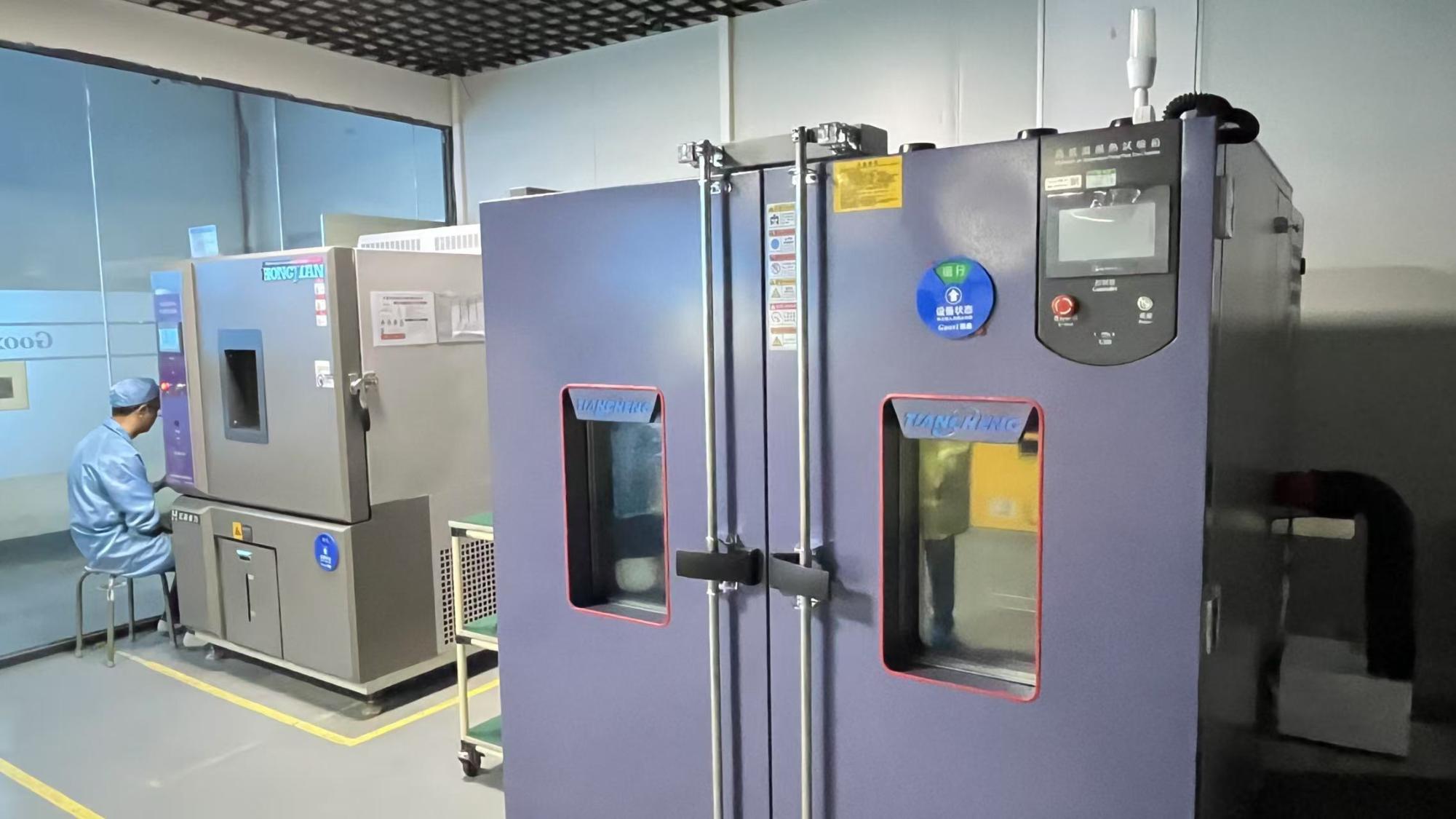
Our product development lifecycle adheres to rigid international standard test regimes. From checking insulation resistance (reaching minimums of 500MΩ) to thermal cycles ranging from -40°C to +85°C, every production batch is tracked to support continuous, reliable operation in enterprise datacenters.
Empowering international networks with over a decade of specialized industrial manufacturing and communication engineering.
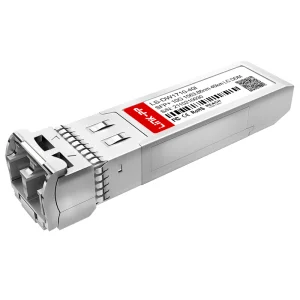
Lumetra Optoelectronics Technologies Co., Ltd. is a professional manufacturer specializing in high-speed optical transceivers and fiber optic communication solutions for datacom, telecom, and cloud infrastructure applications. Founded in 2016, the company has developed into a reliable supplier with strong engineering capabilities and global export experience.
The company operates a production facility covering approximately 8,500㎡, supporting efficient manufacturing and quality-controlled assembly processes. With annual export revenue reaching around USD 18 million, Lumetra has built stable international business channels and accumulated 7 years of export experience, backed by 11 years of overall industry expertise.
Quality assurance is maintained through a combination of automated optical performance testing, environmental stress screening, and manual inspection processes. The quality control team consists of 48 trained inspectors ensuring strict compliance with international standards.
Lumetra maintains a diversified trade background with strong presence in OEM and ODM markets. Its primary markets include North America, Europe, Southeast Asia, and the Middle East, serving telecom operators, data center integrators, and network equipment distributors.
With strong R&D capability, Lumetra supports advanced customization including protocol compatibility, wavelength tuning, form factor adaptation, and power optimization. The company employs 86 R&D engineers focused on optical design, hardware development, and signal integrity optimization. In the past year, Lumetra launched approximately 220 new products, reflecting its continuous innovation in high-speed optical communication technologies.
Addressing physical interface bottlenecks and bandwidth constraints across diverse enterprise platforms.
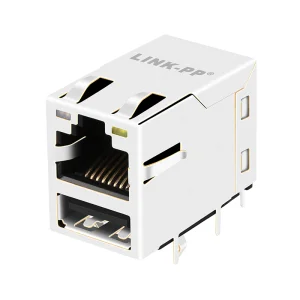
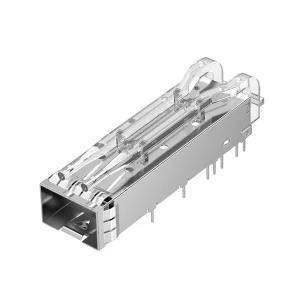
With data traffic increasing, cloud architectures demand high density layout spaces. By utilizing stacked, low-profile SFP+ cages and multi-port ganged configurations, server manufacturers can optimize airflow paths and reduce thermal buildup without sacrificing port density.
Rugged, compact enclosures in outdoor environments require slim connection layouts. Our inverted right-angle RJ45 connectors fit standard low-clearance PCB housings, providing IP67 integration pathways with integrated magnetics to isolate field interference.
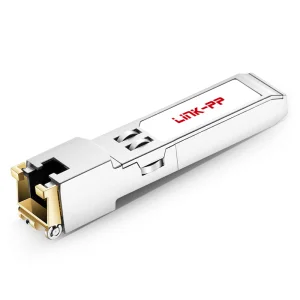
Reliable operations in telecom base stations require temperature-tolerant components. Built-in ESD protection, industrial-grade copper transceivers, and light-pipe integrated SFP cages improve real-time diagnostics and field service speed.
Key design metrics for procurement professionals and electronic system designers.
When selecting low-profile Ethernet solutions, engineering teams focus on several design parameters to prevent field failures:
Technical answers to key product questions from purchasing agents and engineering professionals.
Standard RJ45 connectors feature a vertical height profile of 14mm to 16mm. Low-profile variations reduce this to 11.5mm or lower. This profile reduction is essential for compact devices such as 1U server racks, PCIe expansion modules, and slim industrial computers.
Yes, many low-profile connectors can support PoE, PoE+, and PoE++ (IEEE 802.3at/bt) standards. When selecting a connector for PoE applications, confirm the magnetic transformer is specified for the required DC current capacity per pair to avoid saturation and performance loss.
Surface Mount Technology (SMT) enables automated pick-and-place assembly on both sides of a PCB, helping to reduce production costs. Through-Hole (THT) designs mount pins through the board, offering higher mechanical strength for interfaces subject to frequent mating cycles and external stress.
EMI tabs ground the metal shield of the connector directly to the panel chassis, closing shielding gaps. In high-density environments, this reduces high-frequency radiation and protects adjacent high-speed circuits from signal integrity issues.
Lumetra provides customizable solutions for host board layouts. We offer tailored pin configurations, specialized housing dimensions, custom wavelength tuning, and protocol optimizations. Our team of 86 R&D engineers supports design validation from prototyping through mass production.
We test our products using automated optical test systems, environmental chamber cycling (-40°C to +85°C), and high-cycle mechanical testing. Our quality control team of 48 inspectors verifies every batch to ensure consistent performance before shipping.
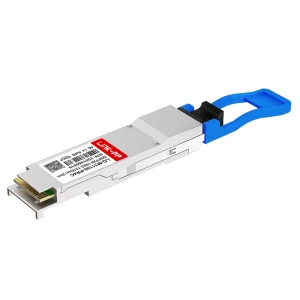
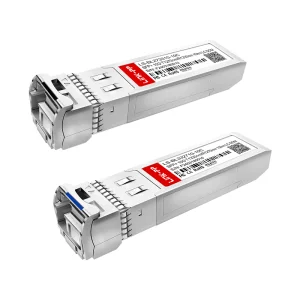
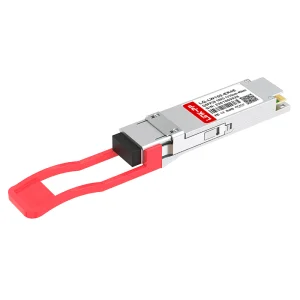
Browse our selection of network adapters, discrete magnetic transformers, and long-range transceivers.
A look inside our 8,500 square meter manufacturing plant and testing lab.