Lumetra
Lumetra
Lumetra
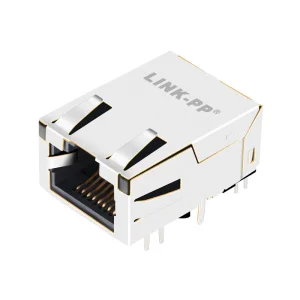
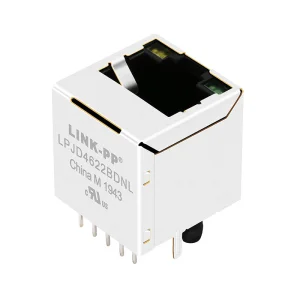
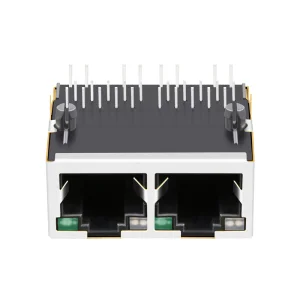
Explore our premium catalog of high-performance RJ45 connectors, low-profile modular jacks, SMT mounts, and optical transceiver modules engineered to support demanding data transmission environments.
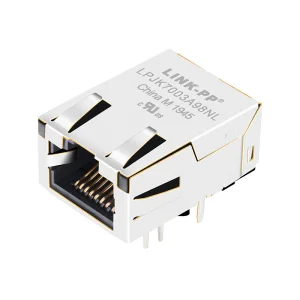
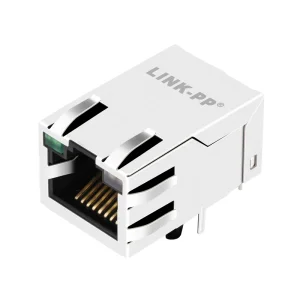
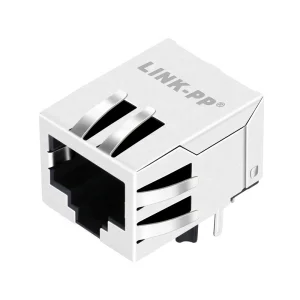
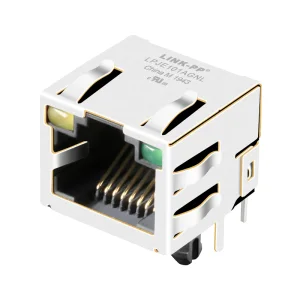
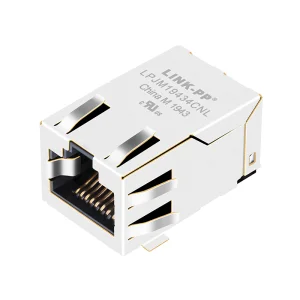
Modern communications demand a highly flexible and physically robust interface strategy. While fiber optic channels handle high-throughput long-haul routes, Snap-In RJ45 connectors remain the backbone of local physical layers (PHY), edge systems, PoE delivery interfaces, and local area network (LAN) routing. As data bandwidth shifts from Megabit networks toward multi-gigabit copper applications, component parameters like return loss, crosstalk reduction, and electromagnetic shielding (EMI) have become critical design benchmarks.
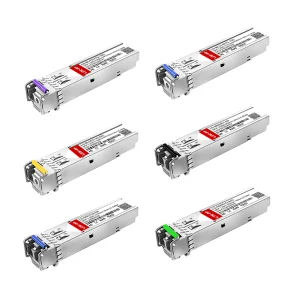
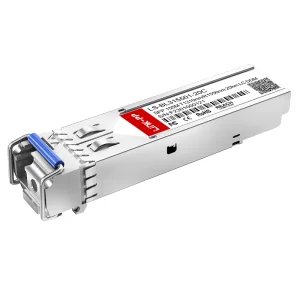
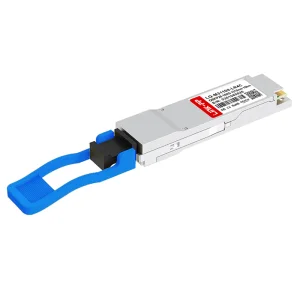
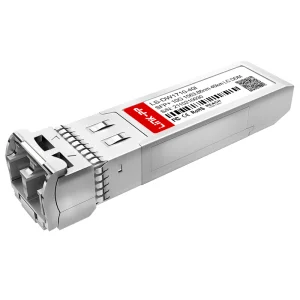
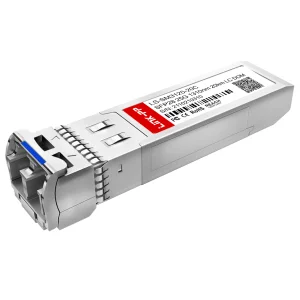
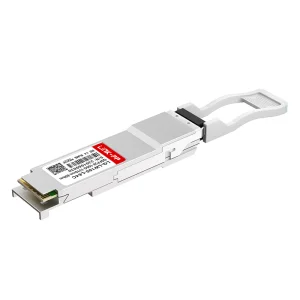
In parallel, modern architectures call for convergence. Deployments routinely couple high-speed optoelectronic conversion transceivers (such as SFP, SFP28, and QSFP28 modules) with robust RJ45 copper ports to build redundant, hybrid architectures. Choosing a high-performance manufacturer that can bridge both copper components (like snap-in modular jacks) and advanced fiber transceivers is key to optimizing deployment lifecycle, system interoperability, and cost structure.
1. Higher Insertion Lifecycles: Standard RJ45 modular jacks require a minimum of 750 mechanical mating cycles under EIA-364 test standards.
2. Shielding Optimization: Precision metal shielding wraps with multiple grounding tabs suppress high-frequency EMI noise in high-density rack configurations.
3. Miniaturization & Integration: Integrated Connector Modules (ICMs) consolidate filtering magnetics inside the RJ45 housing, reducing board space requirements by up to 50%.
Founded in 2016, Lumetra Optoelectronics Technologies Co., Ltd. has established itself as an innovative, highly engineering-centric manufacturer specializing in high-speed optical transceivers and high-performance network interface componentry. Over the past 11 years of deep industry immersion, and with 7 years of international trade operations, Lumetra has built a solid reputation as a reliable development partner for tier-one datacom, telecom, and cloud infrastructure companies worldwide.
Lumetra operates on a philosophy of constant innovation. In the past year alone, our specialized engineering teams have introduced approximately 220 new products across our optoelectronic and interface portfolios. This agile capability stems from our R&D department consisting of 86 engineers focusing on high-speed signal integrity, hardware simulation, thermal modeling, and physical optical design.
We offer extensive OEM/ODM support, allowing hardware integration partners to request adjustments in protocol compatibility, operating temperature ranges (industrial grades ranging from -40°C to +85°C), form factors, wavelength tuning parameters, and power-consumption optimization protocols.
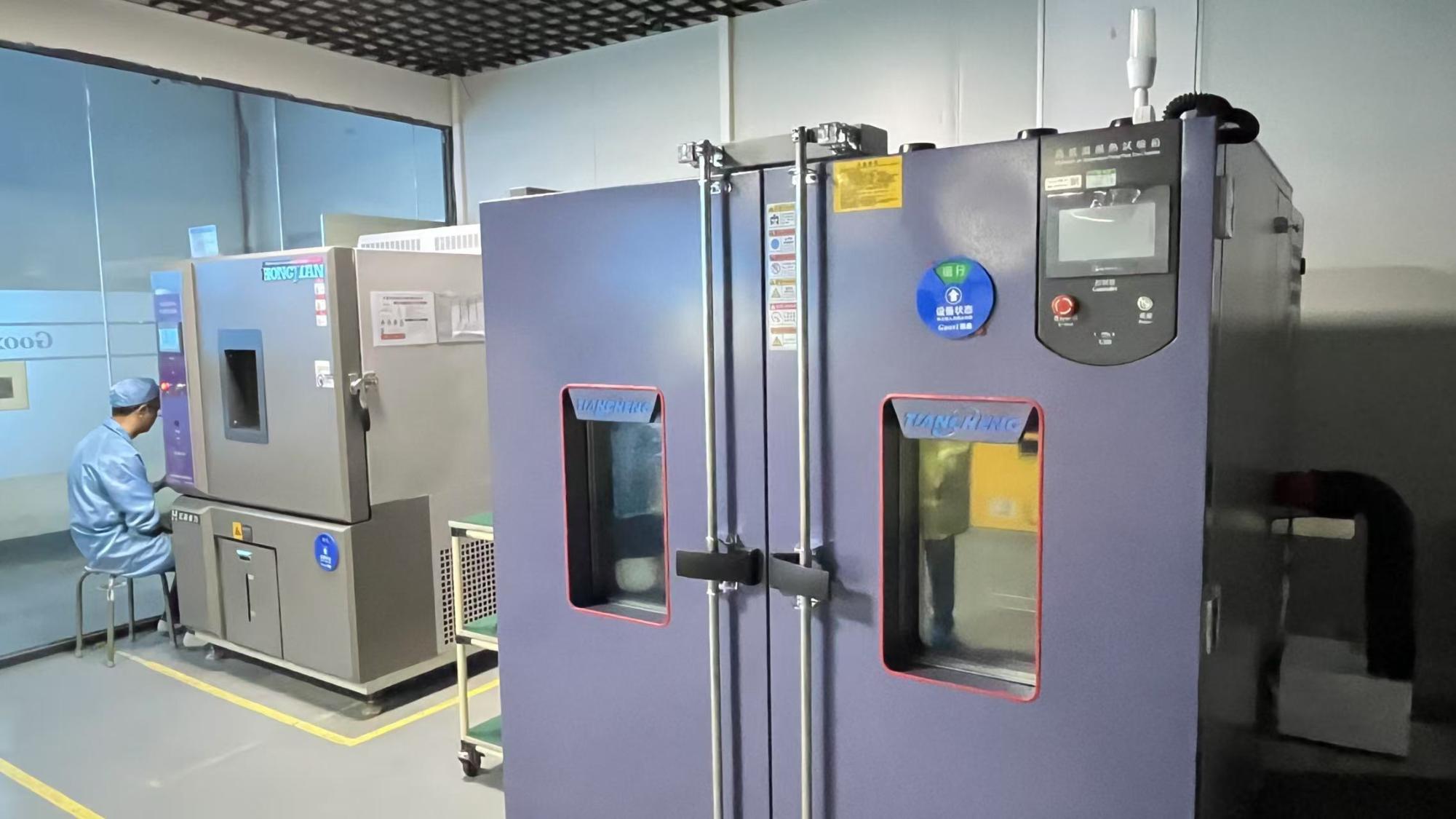
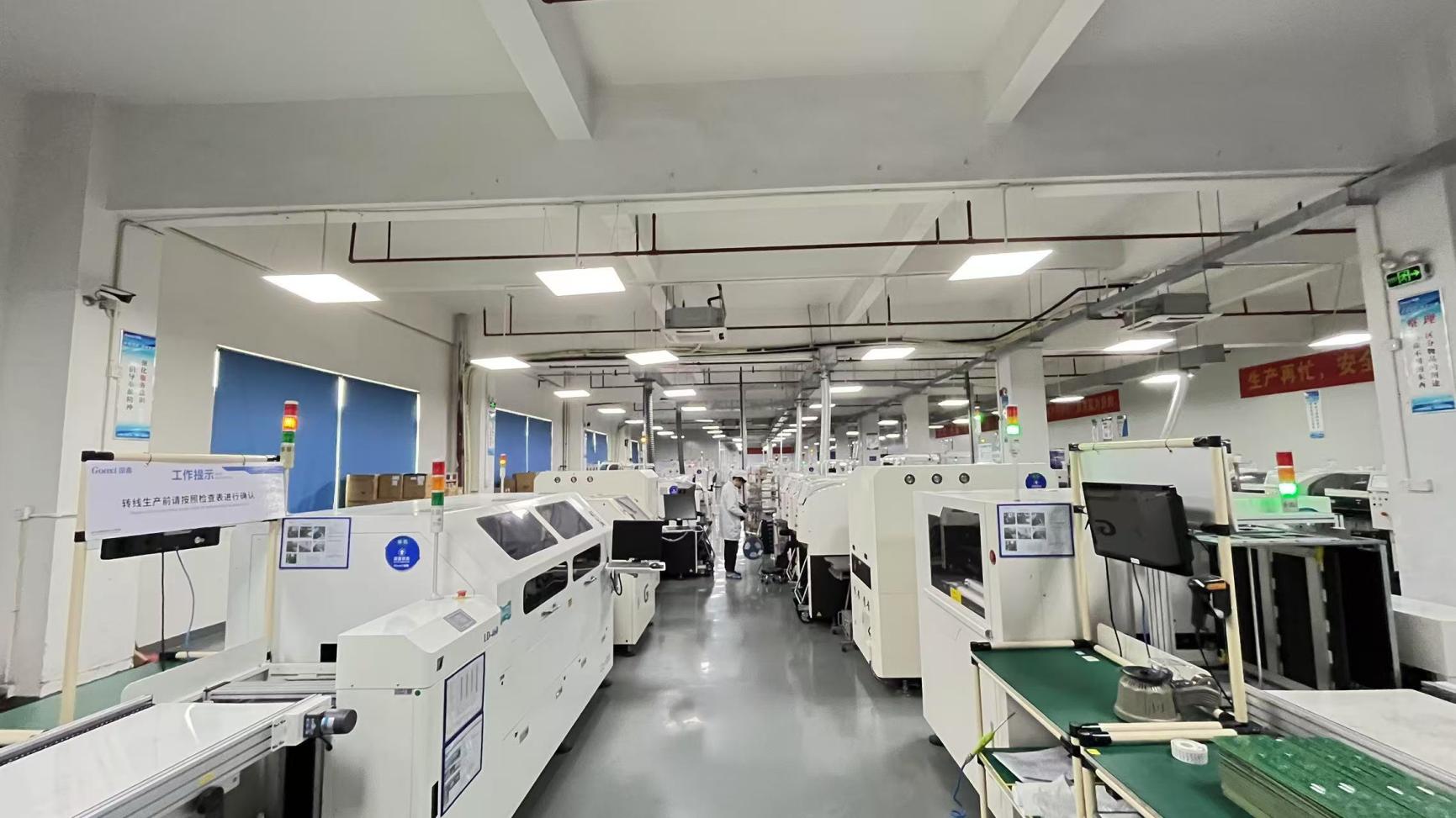
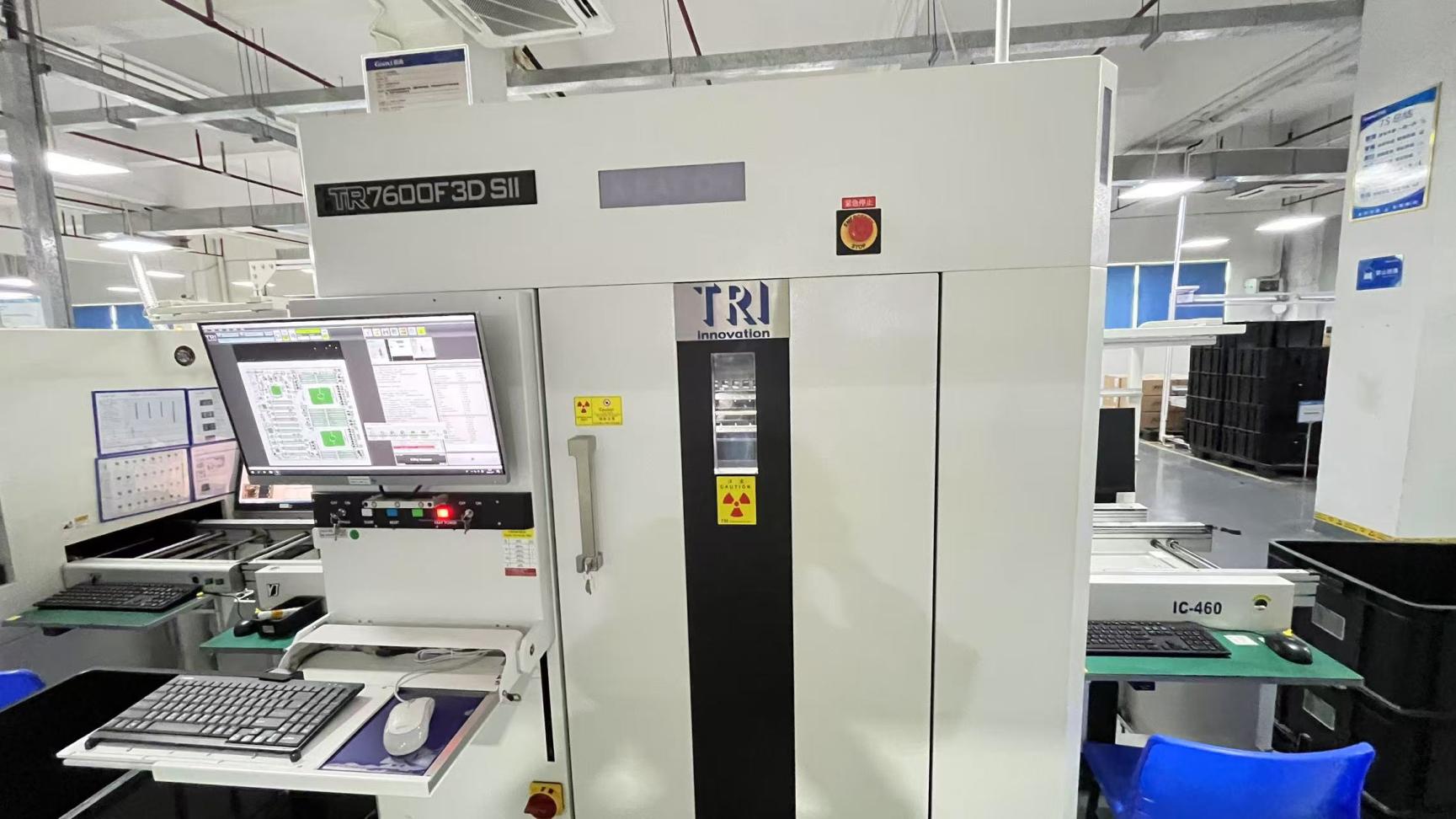
To maintain zero-defect standards across critical enterprise networks, Lumetra employs automated optical inspection (AOI), automated network analyzers, environmental thermal stress screening, and robust manual inspection lines. Under the strict supervision of 48 dedicated QC inspectors, every transceiver and connector complies with rigorous performance thresholds.
We manage and coordinate a network of over 1,200 verified supply chain partners. This robust vendor network guarantees uninterrupted access to raw materials, high-density engineering plastics (e.g., LCP or UL94-V0 rated PBT), high-grade copper alloys, and optical sub-assemblies (OSA), ensuring consistent product delivery even during supply shortages.

Selecting the right interface components requires an understanding of their electrical, mechanical, and material specifications. Below, we break down the engineering characteristics of various RJ45 configurations, outlining how they address physical constraints and signal degradation.
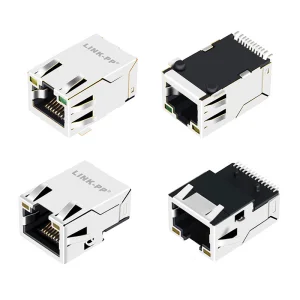
| Specification Feature | Low-Profile Snap-In RJ45 | Vertical/Tab-Up RJ45 Jack | SMT/SMD Lan PCB Connector | Integrated RJ45 Magnetics |
|---|---|---|---|---|
| Common Use Case | Space-constrained PCB alignments | Server boards & standard hubs | Automated pick-and-place assembly | Active network filtering (PHY) |
| Height Profile | Low profile (<11.5mm) | Standard vertical (15-18mm) | Surface mount compatibility | Slightly elevated housing |
| PoE Compatibility | Standard up to PoE+ (30W) | Supports PoE+ & PoE++ (60W-90W) | Requires thermal design care | Integrated PoE choke options |
| EMI Shielding | Optional wrap-around shielding | Multi-point panel ground clips | Direct grounding pins to PCB | Internal Faraday shield structures |
| Key Advantage | Maximum card density in chassis | High mechanical insertion strength | Reduced assembly cost via reflow | Exceptional signal-to-noise ratio |
High data rates require precise lead frame geometries inside the modular jack to minimize Near-End Crosstalk (NEXT) and Far-End Crosstalk (FEXT). Premium gold plating (typically 30u" to 50u" thick) over nickel prevents oxidation and stabilizes contact resistance at under 20 milliohms.
Robust snap-in designs provide secure mechanical locking to the panel or wallplate. This feature prevents physical decoupling during heavy vibration or cable stress. Connectors must meet retention force limits of at least 20 lbs (89N) to avoid signal dropout.
Integrated modular jacks house internal isolation transformers, common-mode chokes, and capacitors to filter line noise and protect delicate physical layer (PHY) chips from static discharges and surge spikes.
When sourcing network components from China, global procurement teams must balance unit costs against compliance, interoperability, and long-term reliability. A disruption in a single component line can stop assembly operations and delay major projects.
To access international markets, components must strictly comply with regional environmental and safety regulations. These include EU RoHS (Restriction of Hazardous Substances) and REACH (Registration, Evaluation, Authorisation and Restriction of Chemicals) standards. These regulations guarantee that plastic resins, solder pastes, and plating materials do not contain hazardous levels of lead, cadmium, mercury, or halogenated fire retardants.
Lumetra Optoelectronics maintains rigorous compliance tracking for all parts. We provide full material declaration sheets and independent lab certifications to simplify the customs clearance process and align with our clients' corporate sustainability initiatives.
Recent supply chain disruptions highlight the need for dual-source compatibility. Lumetra design engineers address this by designing drop-in replacements for standard components from TE Connectivity, Amphenol, Pulse Electronics, and Molex. This allows OEM manufacturers to substitute connectors seamlessly, eliminating the need to redesign entire PCB layouts.
By managing a network of 1,200 audited suppliers, we secure reliable access to key components like high-grade copper alloys, specialized LED diodes, and high-temperature plastics. This robust network ensures consistent lead times even during supply shortages.
As data centers transition to 400G and 800G optical lines, and edge networks migrate to 2.5G, 5G, and 10G copper interfaces, physical connectors must evolve to handle higher frequencies and thermal loads. The roadmap below highlights the technology shifts shaping next-generation networking hardware.
Broad adoption of 2.5G and 5G Base-T SMT connectors to support Wi-Fi 7 access points. Engineers prioritize reflow-solder compatible designs that reduce assembly steps.
Standardizing 90W-100W PoE (IEEE 802.3bt Type 4) across smart-building systems requires advanced thermal materials and contact geometry to prevent electrical arcing damage during hot-unplugging.
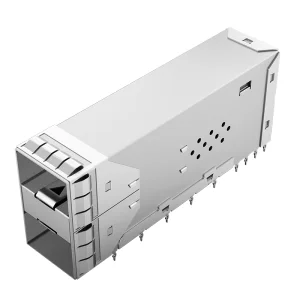
Development of hybrid electrical-optical backplanes. SFP/QSFP structures and high-speed RJ45 footprints converge to enable unified routing architectures in AI-driven edge datacenters.
Expanding business channels internationally requires more than just high-quality manufacturing; it demands integrated logistics and localized support. Lumetra supports clients in key markets including North America, Europe, Southeast Asia, and the Middle East through specialized teams who understand local regulatory environments and technical standards.
We offer flexible shipment options, including FCA, FOB, and DDP terms, and integrate with your standard inventory systems to ensure smooth component delivery.
Our Field Application Engineers (FAE) assist developers with signal integrity simulations, PCB layouts, and debug testing during new product development.
Our products include detailed traceability documentation, including batch records, plating thickness measurements, and cleanroom test files.
Find answers to common technical, design, and sourcing questions about network connectors and optical modules.
Browse additional products from our interface and transceiver collections, engineered for high mechanical reliability and data throughput.