Lumetra
Lumetra
Lumetra
Optimized optical modules engineered to resolve bandwidth bottlenecks in Metro Manila networks.
Metro Manila has emerged as one of the fastest-growing data center hubs in Southeast Asia. Driven by the Philippines' "Cloud First" policy, rapid digitalization of the BPO sector, and massive demand for cloud computing, global hyperscalers are investing heavily in local infrastructure. In areas like Makati, Taguig (BGC), Cavite, and Laguna, new Tier-3 and Tier-4 data centers are scaling operations, requiring unprecedented data throughput.
Transitioning from legacy 10G/45G systems to dense, high-speed architectures is no longer optional. Modern telecommunication providers and cloud services providers in the Philippines require robust 100G, 200G, and 400G optical transceivers to manage massive east-west traffic, data replication, and high-frequency transactions. By bridging these installations with high-stability optical modules, local enterprises secure minimal packet loss and maximum uptime.
As a leading manufacturing partner, we deliver high-performance optical solutions designed to withstand the typical thermal demands of tropical climates, maintaining consistent optical power and stability across continuous runtime workloads.
Understanding the engineering shifts in optical architectures for system integrators in the Philippines.
Data center networks in Manila are evolving rapidly. This evolution centers on the shift from NRZ (Non-Return-to-Zero) encoding used in legacy 100G transceivers to PAM4 (Pulse Amplitude Modulation 4-level) encoding, which forms the backbone of modern 200G and 400G architectures. PAM4 doubles the transmission rate by sending 2 bits of information per symbol interval, reducing the necessary bandwidth requirements on fibers but placing stricter requirements on components' optical signal-to-noise ratio (OSNR).
Moreover, the adoption of Silicon Photonics (SiPh) technology allows factories to integrate lasers and optical components directly onto silicon chips. This brings down production costs, minimizes power consumption, and ensures reliability under structural stress—critical points for hyperscale providers optimizing Power Usage Effectiveness (PUE).
Whether deploying high-density short-reach links utilizing multi-mode fibers (MMF) or utilizing single-mode fibers (SMF) for long-range Data Center Interconnect (DCI) spanning up to 80km (such as our 100GBASE-ZR4), maintaining strict wavelength accuracy is vital. Lumetra’s state-of-the-art optical alignment equipment guarantees low insertion loss and high return loss across all deployed channels.
Ensuring supply chain resilience, cost efficiency, and massive production scale for global network deployments.
Founded in 2016, Lumetra Optoelectronics Technologies Co., Ltd. has established itself as an authoritative manufacturer specializing in high-speed optical transceivers and fiber optic communication solutions for datacom, telecom, and cloud infrastructure applications.
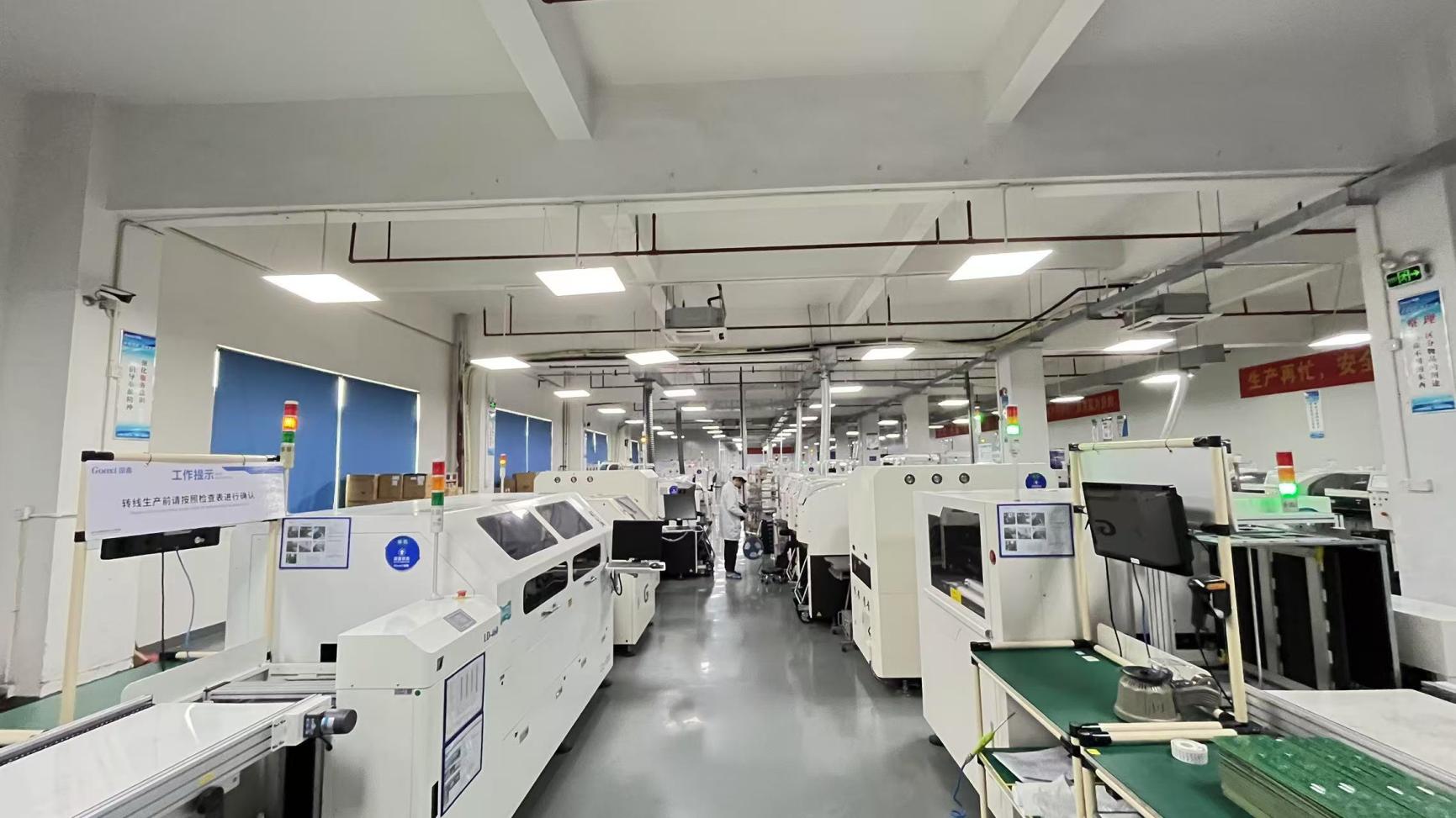
Our production facilities cover approximately 8,500㎡, built with dust-free Class 100,000 cleanrooms and advanced automation systems. With 11 years of industry experience and 7 years of international trade channels, we have supported operators and distributors worldwide. Our annual export revenue averages USD 18 million, validating our capability to scale production for large-scale municipal projects in the Philippines and beyond.
Our operation model combines massive production capacity with customized design capability. Powered by an R&D department of 86 engineers, we continuously innovate, releasing over 220 new products annually. This engineering depth allows us to adapt transceiver firmwares for protocol compliance, wavelength tuning, and custom power profiles tailored to specific enterprise hardware.
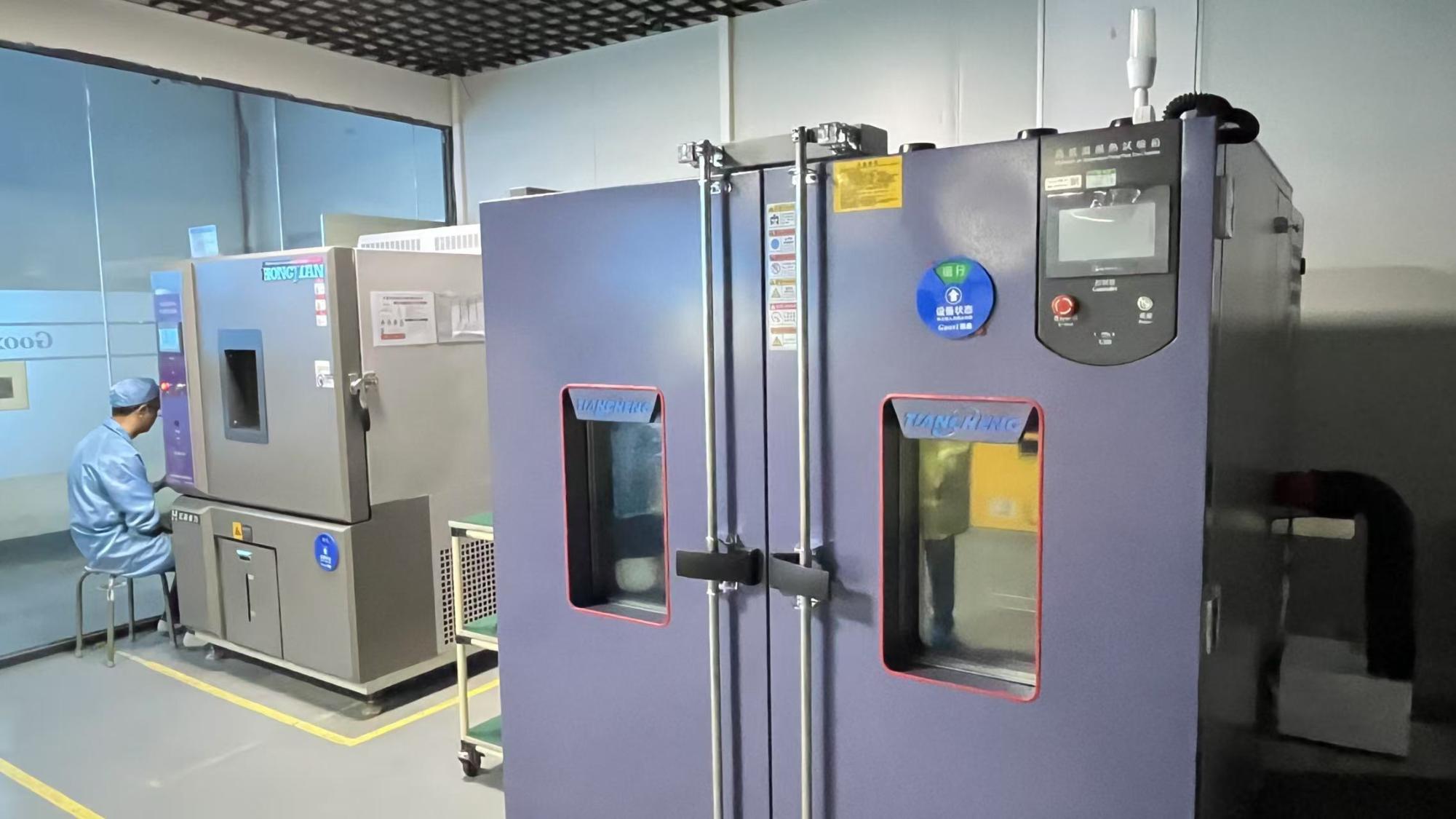
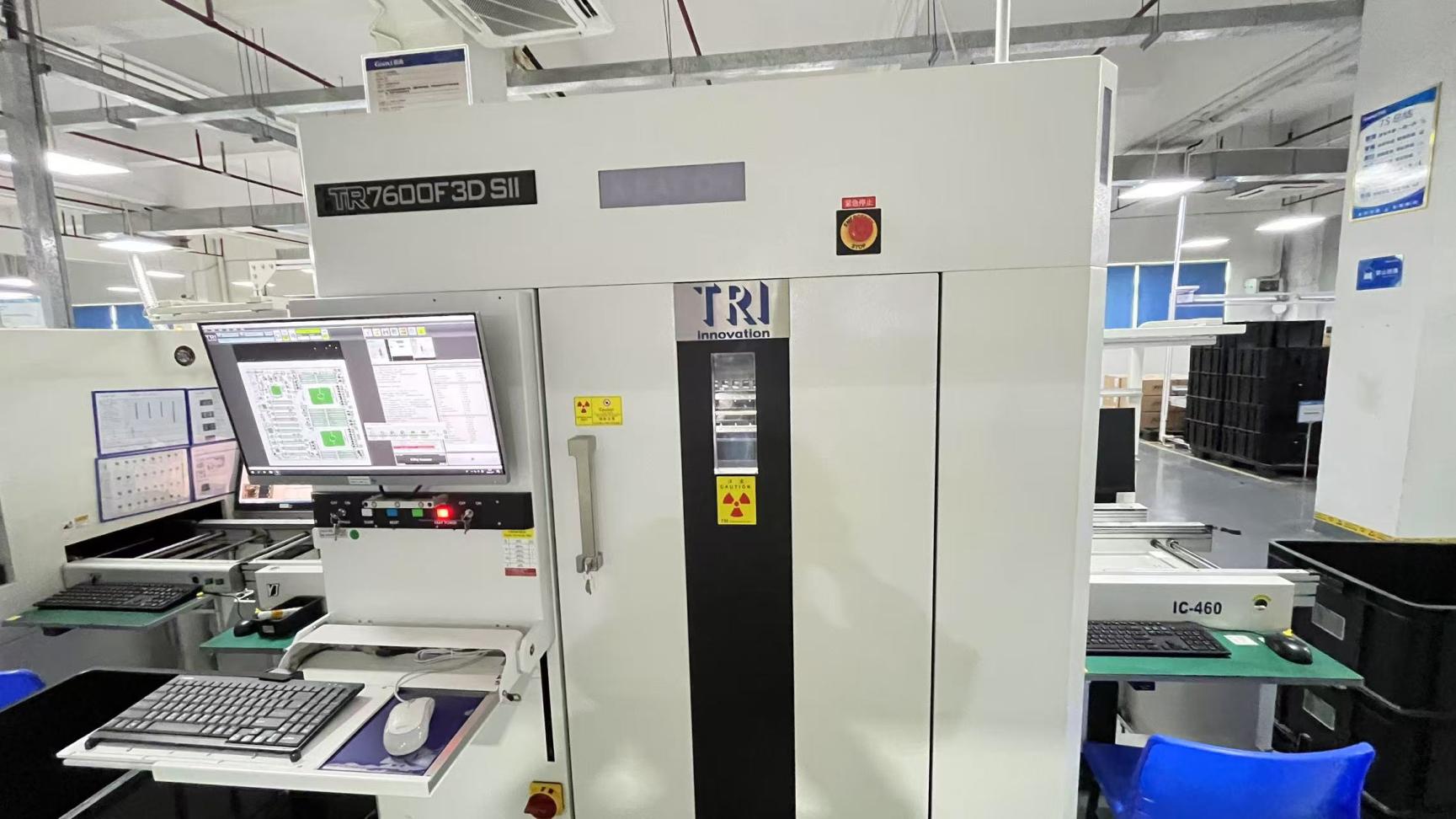
To ensure consistent optical performance, our Quality Control team of 48 inspectors runs each transceiver through automated optical performance testers, temperature cycling ovens, and strict bit-error-rate testing. This robust E-E-A-T background guarantees that our products match or exceed the performance of tier-one original equipment manufacturer brands.

Customized optical connectivity architectures for diverse business applications across the Philippines.
Supporting high-density spine-and-leaf switches. Our 100G and 400G MPO/LC modules optimize cabinet wiring density, reducing power footprint and keeping hardware runs cool.
Seamlessly bridging facilities across Manila, Pasig, and Cavite. We supply long-haul 10km, 40km, and 80km single-mode transceivers utilizing DWDM technologies to maximize fiber resources.
Providing carrier-grade reliability to major telecommunication systems. Full compatibility with multi-vendor networks ensures zero system locking and straightforward integration.
For international procurement departments and purchasing agents in the Philippines, reliability and logistics transparency are critical. Working with a China-based direct factory like Lumetra ensures cost efficiency by removing middleman markup. In parallel, our compliance processes streamline customs clearances, providing detailed certificates of conformity, test reports, and customs-clearance documentation to keep your deployments on schedule.
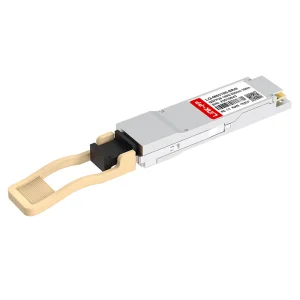
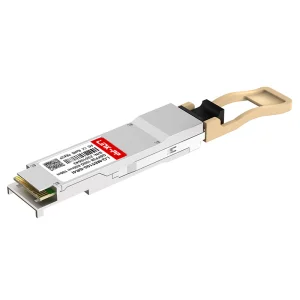
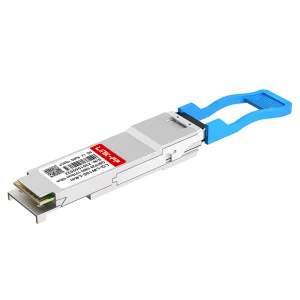
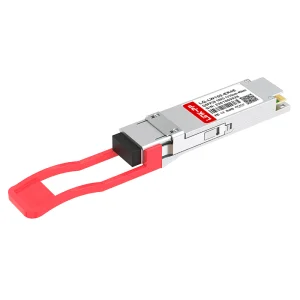
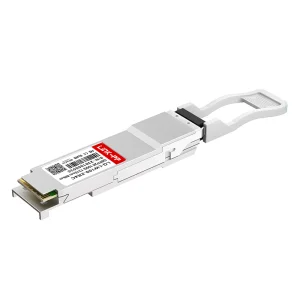
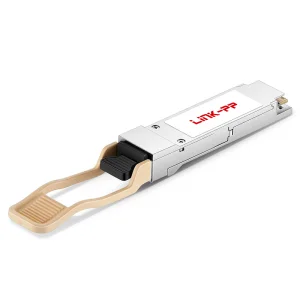
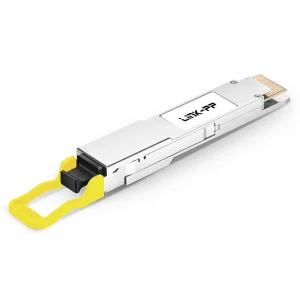
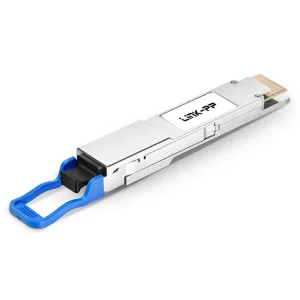
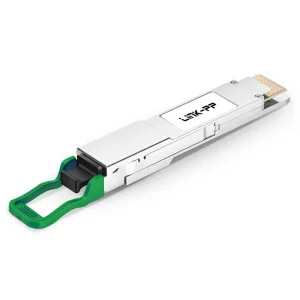
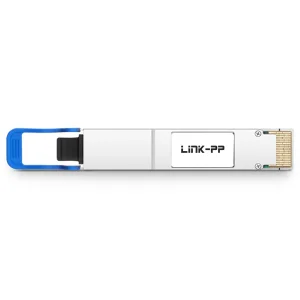
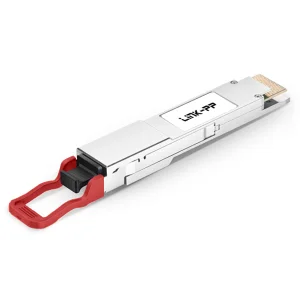
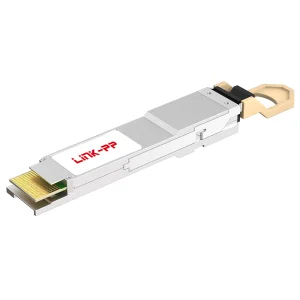
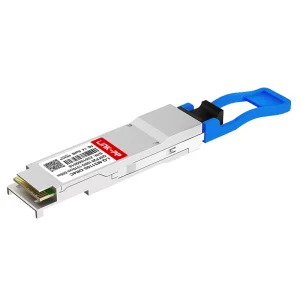
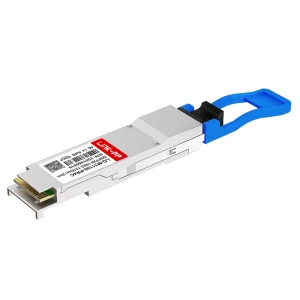
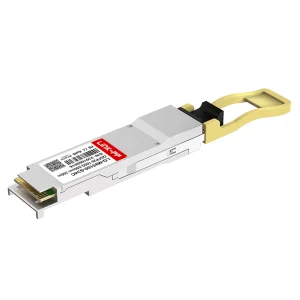
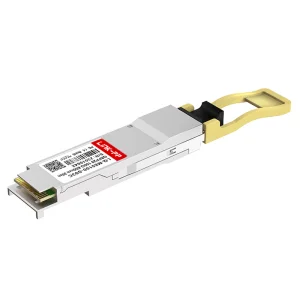
Industry-standard form factors (QSFP28, QSFP56, QSFP-DD) engineered to optimize your optical networks.
Answers to engineering and logistics questions from our regional partners in the Philippines.