Lumetra
Lumetra
Lumetra
High-speed modular solutions optimized for Oslo metropolitan networks and regional Norse edge clouds.
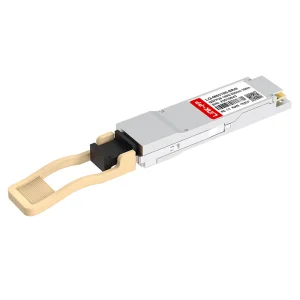
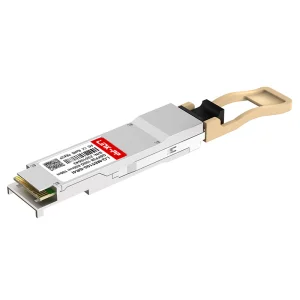
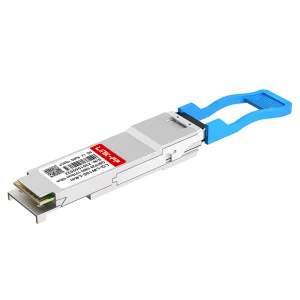
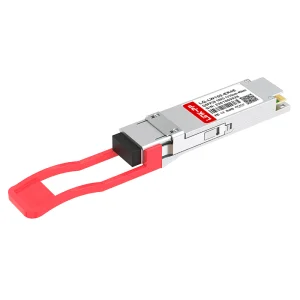
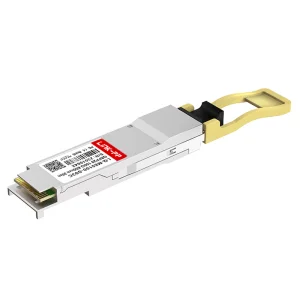
The Kingdom of Norway has quickly emerged as a premier hub for green datacenter infrastructure in Western Europe. Propelled by access to 100% renewable hydroelectric power, cold climate ambient air cooling, and highly supportive municipal policies, massive facilities such as the Lefdal Mine Datacenter and Green Mountain Rennesøy are scale-testing next-generation operations. These facilities do not merely require traditional cabling; they demand modular optical components capable of operating reliably in high-density, low-latency, and energy-conscious setups.
Within this ecosystem, the migration from legacy 10G/40G backbones to 100G, 200G, and 400G optical links is critical. These high-speed transceivers enable Nordic cloud operators, research organizations, and local telecommunications giants (such as Telenor) to maximize data throughput without increasing their physical footprint or disproportionately expanding their thermal footprints.
Norway's unique geography presents distinct challenges for optoelectronics. Data centers integrated deep into sub-fissure mines or fjord-adjacent facilities leverage cold water intake for cooling. While highly energy-efficient, this setup can lead to localized humidity spikes or wide ambient temperature variations outside the chassis. Consequently, transceivers must deploy optimized Optical Sub-Assemblies (TOSA/ROSA) utilizing hermetic sealing and high-grade laser diodes that resist shifts in performance across varying operating environments.
In modern high-speed optical systems, coding efficiency dictates hardware selection. While 100G modules traditionally relied on NRZ (Non-Return-to-Zero) modulation, the expansion of 200G and 400G frameworks requires PAM4 (Pulse Amplitude Modulation 4-Level) technology. PAM4 doubles the data rate per baud cycle by utilizing four signal levels instead of two, though it demands higher signal-to-noise ratios (SNR) and integration with complex Digital Signal Processing (DSP) chips.
| Parameter | 100G QSFP28 (NRZ / PAM4) | 200G QSFP56 (PAM4) | 400G QSFP-DD (PAM4) |
|---|---|---|---|
| Modulation Type | NRZ (typically 4x25G) or PAM4 (1x100G) | PAM4 (4x50G) | PAM4 (8x50G or 4x100G) |
| Typical Reach | 100m (SR4) to 40km/80km (ER4/ZR4) | 100m (SR4) to 2km (FR4) | 500m (DR4) to 10km/40km (LR8/ER8) |
| Power Consumption | < 3.5W (QSFP28) | < 5.5W (QSFP56) | < 10W - 12W (QSFP-DD) |
| Primary Norse Use Case | Metropolitan rings, older local enterprise upgrades | Intermediate aggregation, high-speed campus routing | Hyperscale cloud, national backbone interconnects |
For system integrators and telecommunication service providers in Norway, working with Chinese optical manufacturing companies offers significant strategic advantages. These factories utilize extensive raw material networks and advanced packaging systems (such as automated optical alignment platforms and automatic wire bonding tools) to lower production costs.
Lumetra Optoelectronics Technologies Co., Ltd. coordinates with over 1,200 supply chain partners, ensuring access to high-quality optical components like lasers, lenses, and sub-assemblies. This strong supply chain enables Lumetra to manufacture high-speed modules that offer excellent performance and competitive pricing for European buyers.
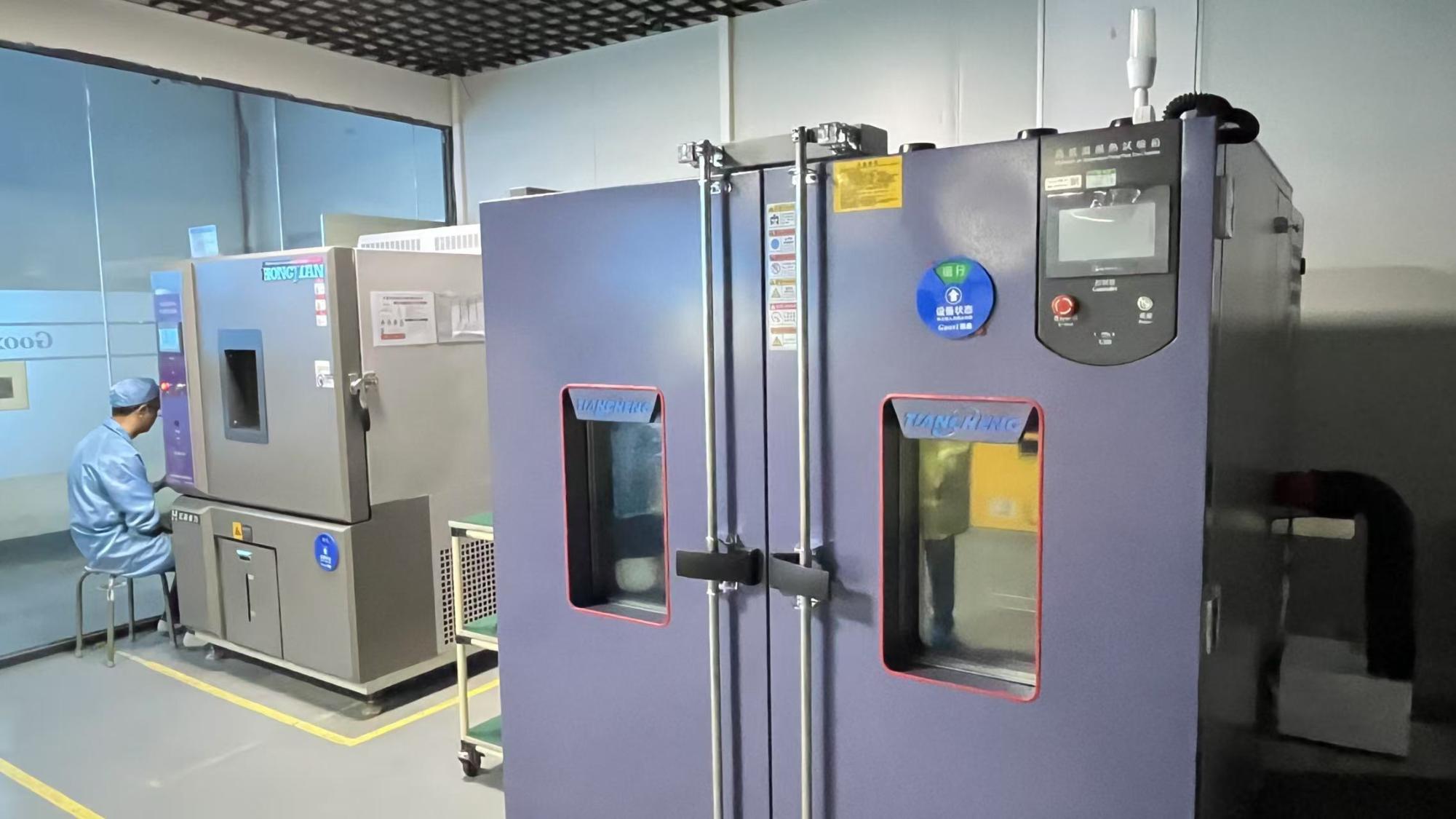
Advanced production lines and quality inspection facilities.



Optimized optical modules for key industries driving Norway's digital landscape.
Using single-mode long-reach transceivers like 100G ER4/ZR4 to bridge remote subterranean facilities back to high-capacity terrestrial rings with minimal latency penalty.
Ruggedized, wide-temperature modules that operate within subsea optical terminal stations and satellite uplink platforms, providing reliable performance in marine environments.
Deploying 400G DR4/FR4 technology to address urban data growth, connecting small cells, central offices, and edge cloud systems with compact high-speed links.
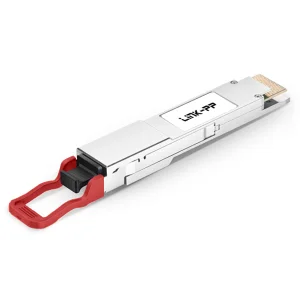
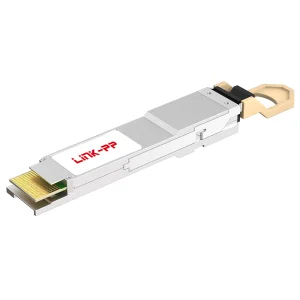
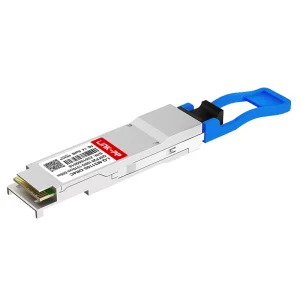
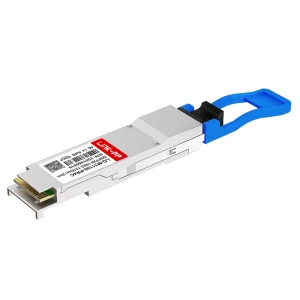
Industrial-grade 100G, 200G, and 400G transceivers engineered for durability, compatibility, and low power consumption.
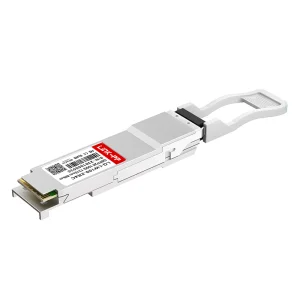
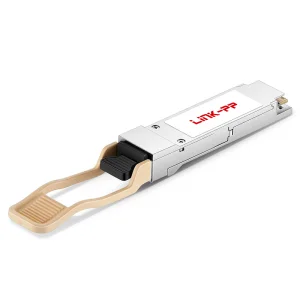
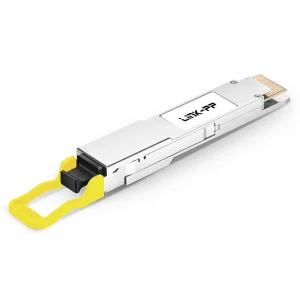
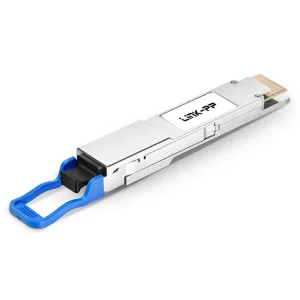
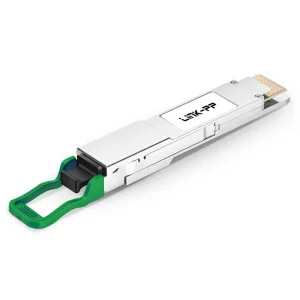
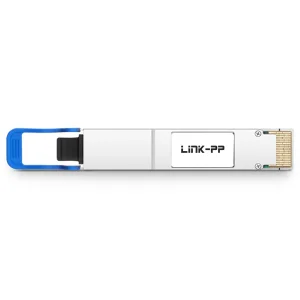
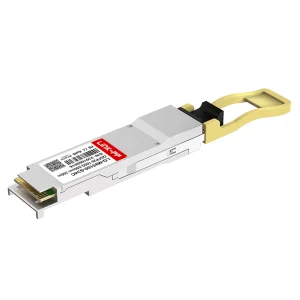
Understanding the technical standards, compliance mandates, and customization capabilities needed for Norse network integrations.
When purchasing optical transceivers for mission-critical networks, system integrators must evaluate both performance metrics and supply chain stability. As a dedicated OEM/ODM manufacturer, Lumetra Optoelectronics designs and tests its 100G, 200G, and 400G products to meet the performance and compatibility requirements of major European network platforms.
A primary concern for network engineers is switch compatibility. Lumetra address this by using custom EEPROM coding to match major equipment brands, including Cisco, Juniper, Arista, Edge-Core, and Nokia. This coding is verified through automated compatibility testing in our production environment.
Our quality control program consists of automated optical performance testing, environmental stress screening (including thermal cycling), and manual inspection protocols. Operating from our 8,500㎡ facility, our quality control team includes 48 trained inspectors who verify compliance with international standards.
Answers to technical and logistics questions regarding optical module sourcing for Northern Europe.
Yes. We perform compatibility coding and validation testing for all major switch platforms, including Cisco, Arista, Juniper, and Huawei. Each module is configured with custom EEPROM firmware to ensure seamless recognition and DOM (Digital Optical Monitoring) support.
Standard orders of stocked products typically ship within 3–5 business days. For customized OEM/ODM orders, lead times range from 2 to 4 weeks depending on the order volume. We utilize major express carriers (DHL, FedEx, UPS) to ensure prompt delivery to Norway.
We offer commercial-grade (0°C to 70°C) and industrial-grade (-40°C to 85°C) operating temperature modules. For outdoor edge networks or cold-climate mines in Norway, we recommend industrial-grade components, which undergo temperature chamber verification during production.
All Lumetra optical transceivers are fully certified with CE, FCC, RoHS, and TUV international safety and environmental guidelines. This ensures complete compliance with EU/EEA environmental mandates and importation requirements.
Connect with our engineering team to request sample modules, custom compatibility configurations, or a comprehensive volume quote.
Send Inquiry Now