Lumetra
Lumetra
Lumetra
High-reliability optical transceivers optimized for Riyadh's high-temperature, hyper-dense network switches and cloud computing zones.
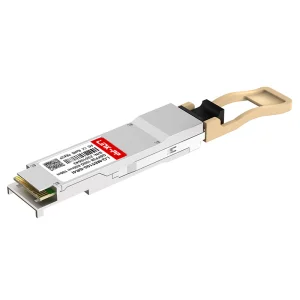
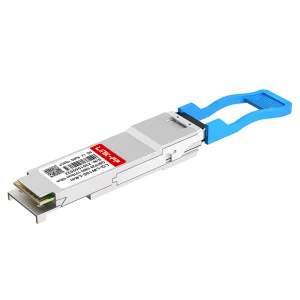
Riyadh is rapidly shifting into the digital heart of the Middle East, driven by the ambitious objectives of Saudi Vision 2030. With substantial national investments in smart city structures, artificial intelligence hubs, cloud platforms, and massive hyperscale deployments (such as the NEOM tech corridors and the King Abdullah Financial District - KAFD hubs), network backbones are facing unprecedented capacity demands. These complex installations require robust architectures to support high-speed data transmission over localized fiber corridors.
Unlike standard temperate deployments, data centers located in the Central Province of Saudi Arabia must cope with ambient extreme temperatures, fine dust infiltration, and unique HVAC challenges. Thermal dissipation becomes critical when operating QSFP28 (100G) and QSFP-DD (400G) modules in intensive environments.
Lumetra’s transceivers address these ambient and operating challenges by offering industrial-grade operating temperature tolerances (-40°C to 85°C) and commercial grades with optimized heat sinks. Built with advanced silicon and low power consumption ICs, they prevent thermal runaway, ensuring stable links even under heavy processing loads.
Navigating the complex import and operational landscapes of Saudi Arabia requires compliance with local standards. All networking infrastructure deployed in local public works, oil & gas complexes, or commercial systems must align with guidelines set by the Communications, Space and Technology Commission (CST) and secure SABER/SASO certifications.
Our operational processes ensure all products meet these requirements, ensuring fast customs clearing and worry-free installations for local telecom carriers (STC, Mobily, Zain) and global integration partners.
Lumetra Optoelectronics integrates state-of-the-art research with efficient scale manufacturing to deliver cost-effective and dependable high-speed optical transceivers.
Lumetra Optoelectronics Technologies Co., Ltd. is a professional manufacturer specializing in high-speed optical transceivers and fiber optic communication solutions for datacom, telecom, and cloud infrastructure applications. Founded in 2016, the company has developed into a reliable supplier with strong engineering capabilities and global export experience.
The company operates an 8,500㎡ manufacturing facility supporting efficient processes and strict quality control. With annual export revenue of around USD 18 million, Lumetra has built stable international channels, backed by 7 years of export experience and 11 years of industry expertise.
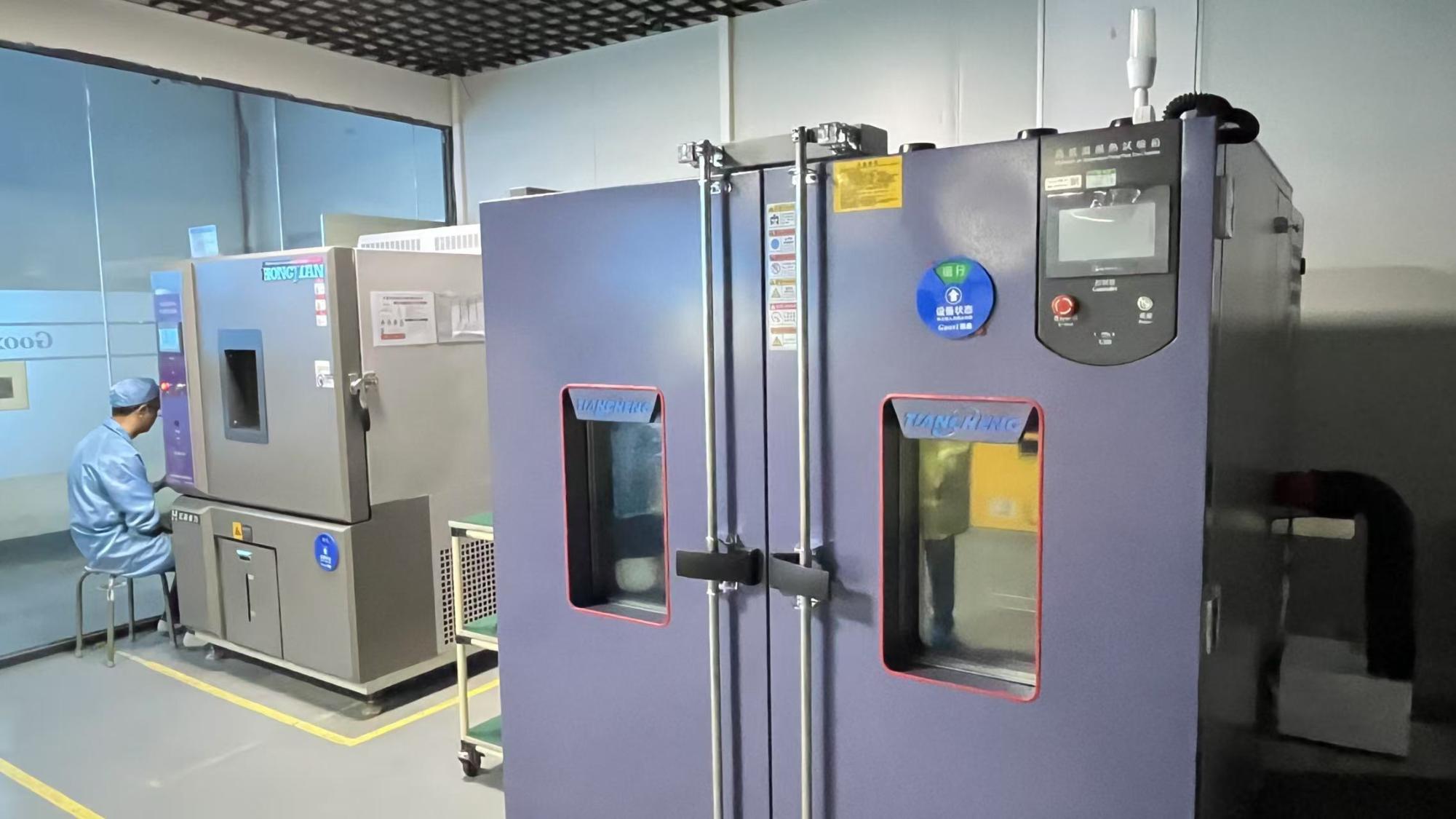
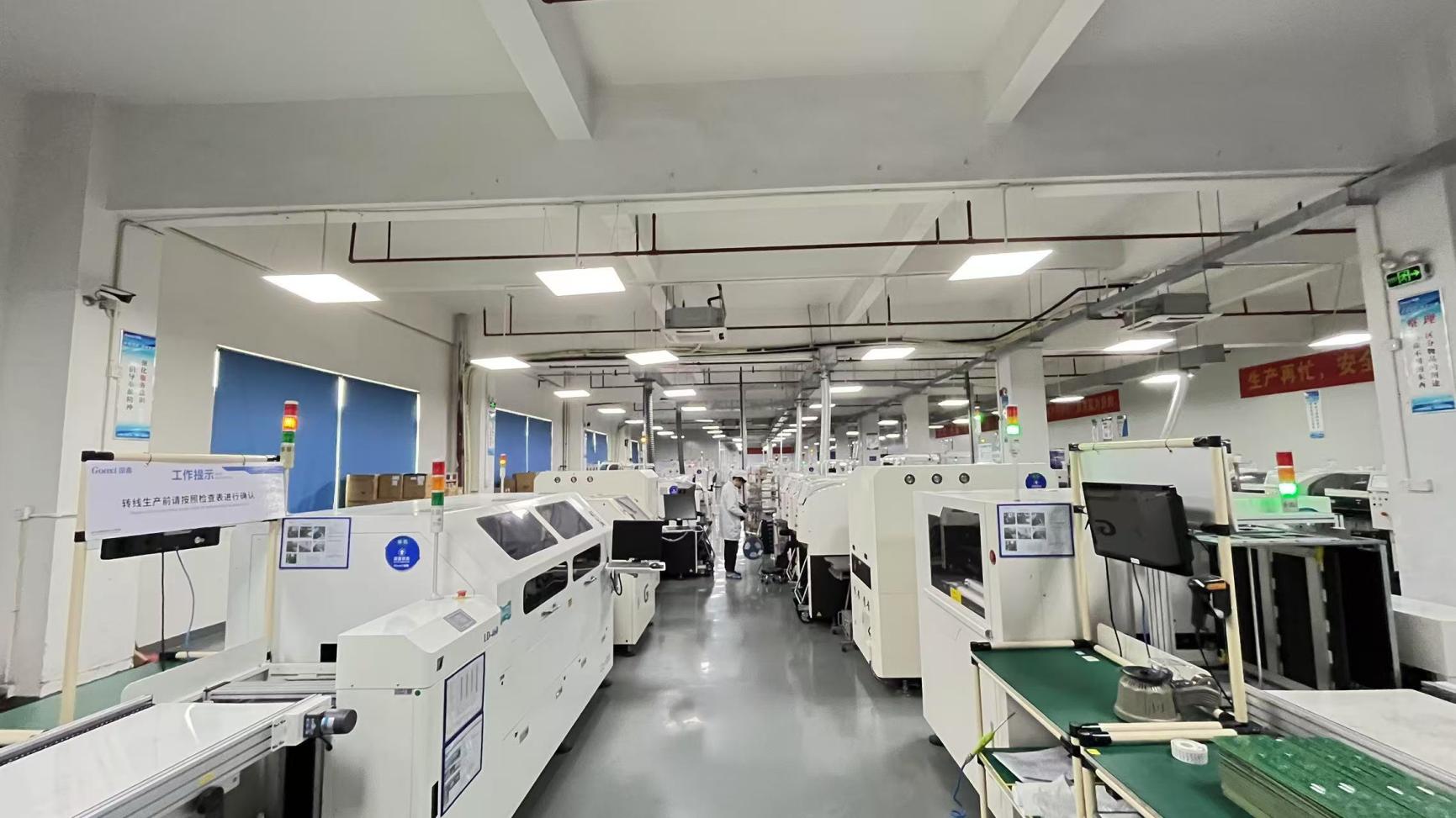
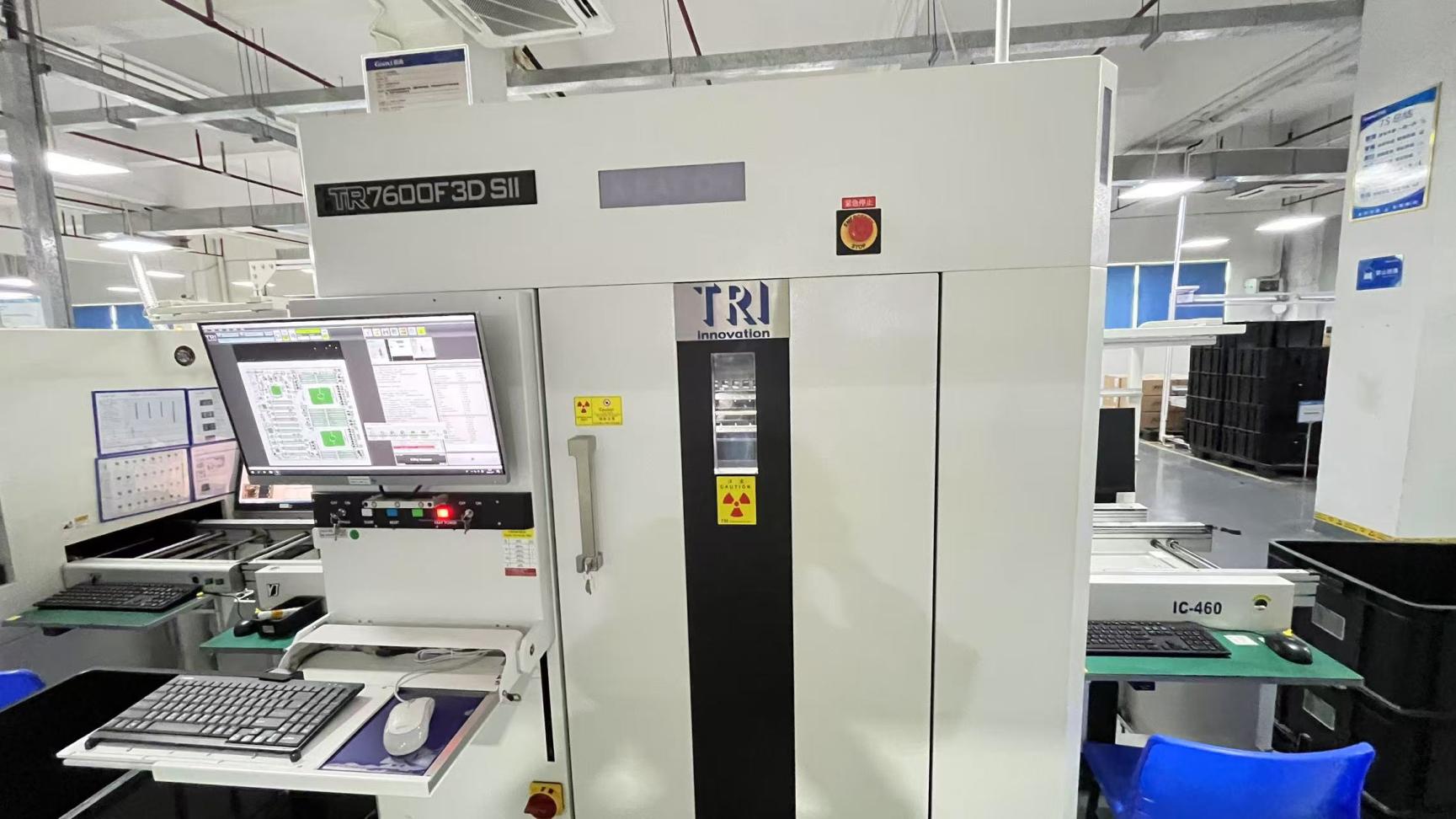
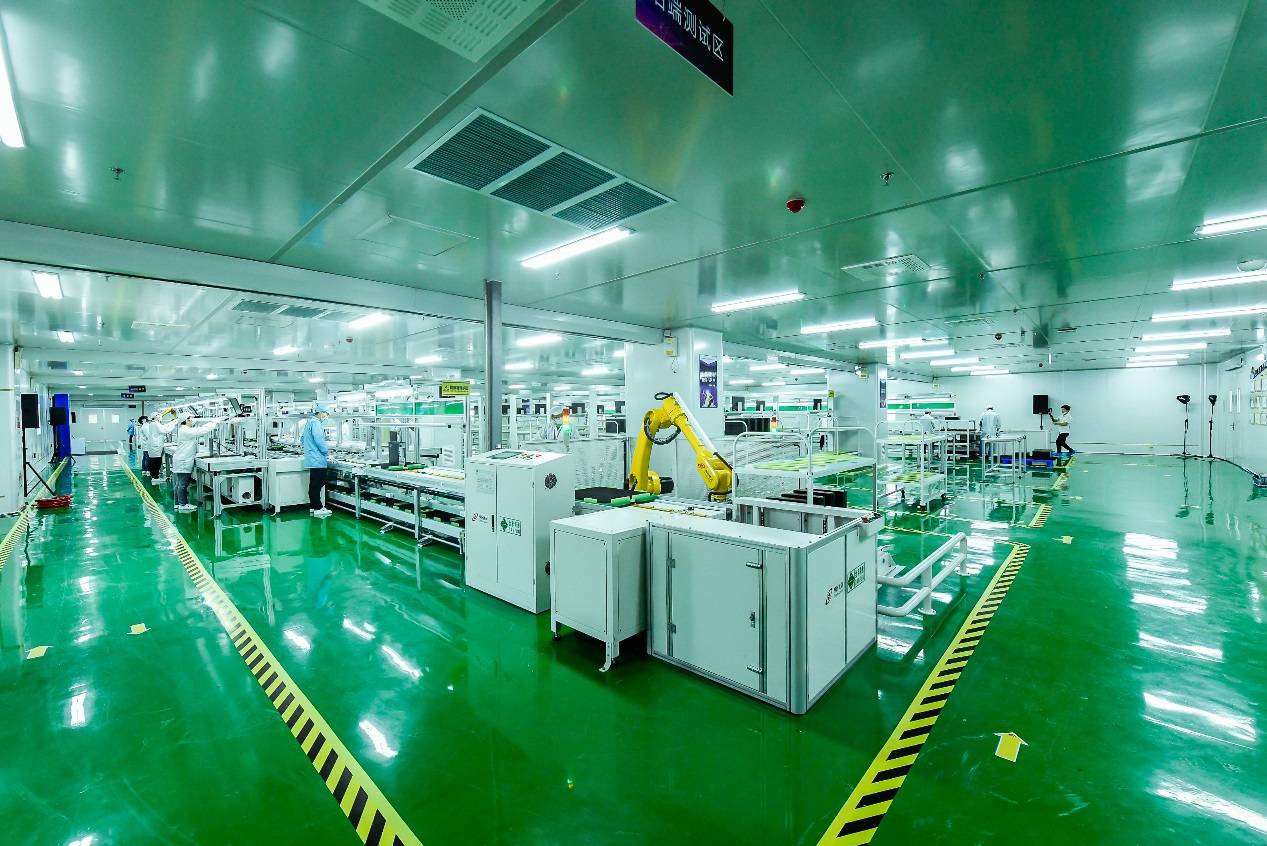
Global procurement teams must balance component quality with cost efficiency. Purchasing optical modules from China-based facilities like Lumetra’s offers significant advantages. By utilizing our integrated optical assembly lines, automated silicon photonics packaging, and established materials sourcing networks, we provide competitive pricing without compromising reliability.
With an R&D department of 86 engineers, Lumetra focuses on addressing layout restrictions, power budgets, and physical connection challenges. In the past year alone, we launched approximately 220 new products, helping operators upgrade seamlessly from legacy 10G/40G structures to high-density 100G, 200G, and 400G configurations.
This agility allows us to support custom requests, including specialized EEPROM coding, compatibility tuning for switches (such as Cisco, Arista, Juniper, Huawei, and Dell), and custom wavelength division multiplexing (CWDM/DWDM) modifications for regional telecom networks.
Enterprise procurement managers must evaluate several technical factors to ensure consistent performance in demanding environments:
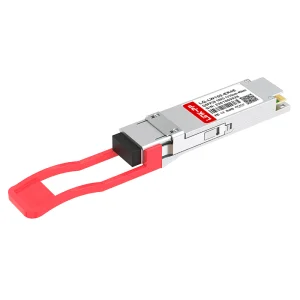
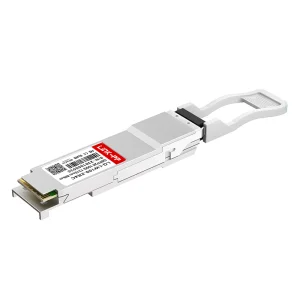
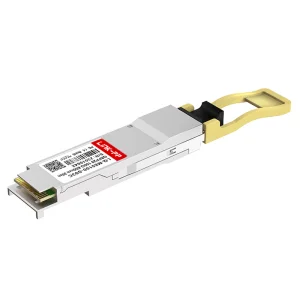
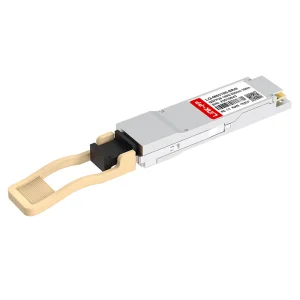
Select from our catalog of optical modules, certified for high-speed routing, enterprise switching, and metro optical links.
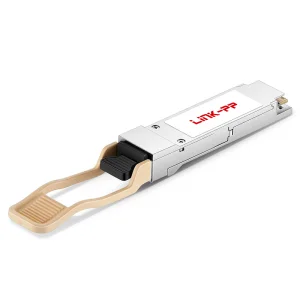
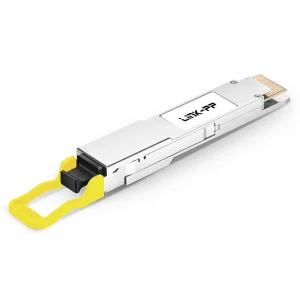
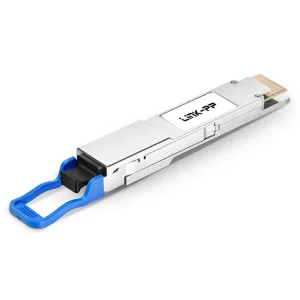
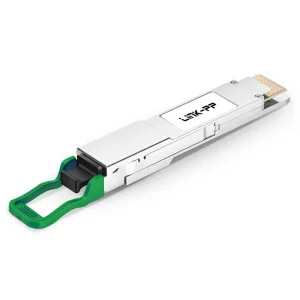
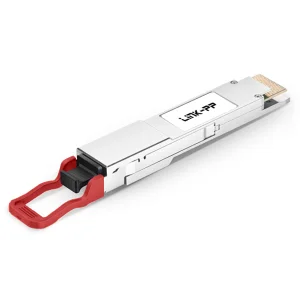
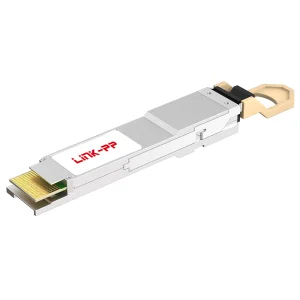
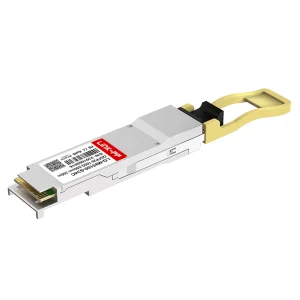
The networking sector is seeing rapid changes as infrastructure moves from 100G toward 400G and 800G standards, primarily to support artificial intelligence training clusters, large language models, and high-frequency transaction applications. In high-density settings like Riyadh's modern corporate sites, choosing between different architectures involves balancing power limits, fiber configurations, and system reach.
Standard 100G modules have long used Non-Return-to-Zero (NRZ) modulation. However, moving to 200G and 400G designs requires more data-dense signaling, leading to the use of Pulse Amplitude Modulation 4-Level (PAM4). PAM4 doubles the transmission rate by sending 2 bits of information per clock cycle, making it essential for high-throughput, next-generation architectures.
Our research and development focuses on optimizing these high-speed interfaces. By utilizing silicon photonics technology and integrated circuitry, we are able to reduce component counts within QSFP-DD form factors. This design helps minimize losses, lowers power consumption, and ensures reliable long-distance links for metropolitan network layouts.