Lumetra
Lumetra
Lumetra
Deploying advanced optical interfaces designed for telecom backhaul, metropolitan rings, and local hyperscale configurations across Dhaka and Chittagong.
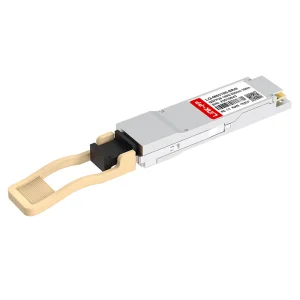
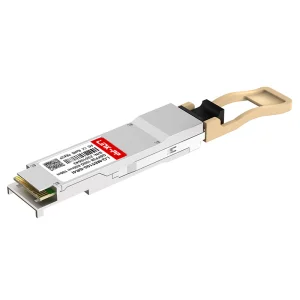
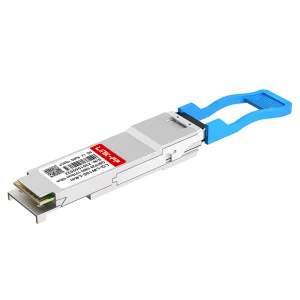
As Bangladesh accelerates its path toward becoming a high-income, digitally advanced nation under the "Smart Bangladesh 2041" framework, the infrastructure backend is experiencing an unprecedented technical overhaul. The exponential rise in mobile data consumption, fueled by the deployment of 5G networks, hyper-scale cloud applications, and localized Content Delivery Networks (CDNs), has driven traditional 10G and 40G systems to their physical limits.
To sustain this data load, Nationwide Telecommunication Transmission Network (NTTN) providers, along with leading Tier-1 and Tier-2 mobile operators, are upgrading their core transport rings to high-capacity optical architectures. High-speed 100G, 200G, and 400G optical transceivers have transitioned from bleeding-edge technologies to essential core infrastructure components.
Our company, Lumetra Optoelectronics Technologies Co., Ltd., acts as a primary manufacturer and global exporter, delivering specialized high-performance optical solutions engineered for extreme operational environments, including the tropical high-humidity and elevated thermal cycles typical in Southeast Asian deployment centers.
Designed for regional connection loops, these transceivers offer optimized dispersion compensation for multi-kilometer transmission links across complex layouts.
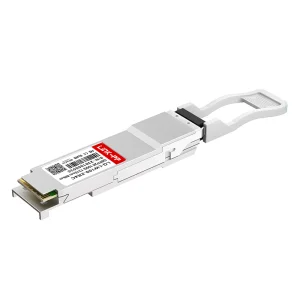
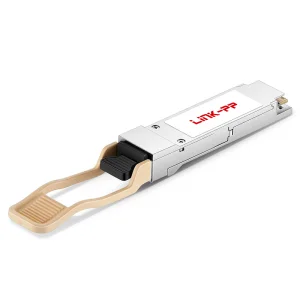
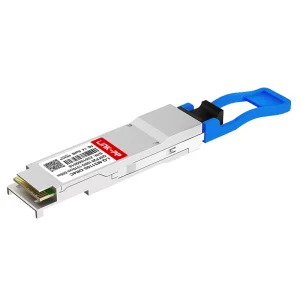
The international optical networking landscape is witnessing a massive paradigm shift. The global transition from traditional NRZ (Non-Return-to-Zero) modulation formats to PAM4 (Pulse Amplitude Modulation 4-Level) technology has effectively doubled the data transmission capacity per optical lane. In response to skyrocketing computational demands generated by Large Language Models (LLMs) and distributed neural networks, global cloud operators are scaling architectures directly to 400G and 800G coherent and direct-detect configurations.
Utilizing QSFP-DD (Double Density) interfaces to ensure backward compatibility with legacy QSFP formats. This design permits data center switches to scale and support mixed bandwidths on a single device without complex chassis replacements.
Operating at high speeds raises structural heat levels. Our modules employ low-power DSPs and advanced optical packaging to limit power consumption, preventing regional telecom base stations from shutting down under thermal stress.
By using Coarse Wavelength Division Multiplexing (CWDM), our transceivers transmit multiple data lanes over a single duplex fiber. This minimizes physical optical fiber requirements and reduces operational costs for regional ISPs.
With a manufacturing footprint designed to fulfill global telecom demands, Lumetra Optoelectronics Technologies Co., Ltd. supplies robust OEM/ODM configurations to system integrators and service providers worldwide. Since our founding in 2016, we have committed to high structural quality, combining technical precision with strong supply chain operations to export reliable optical transceivers.
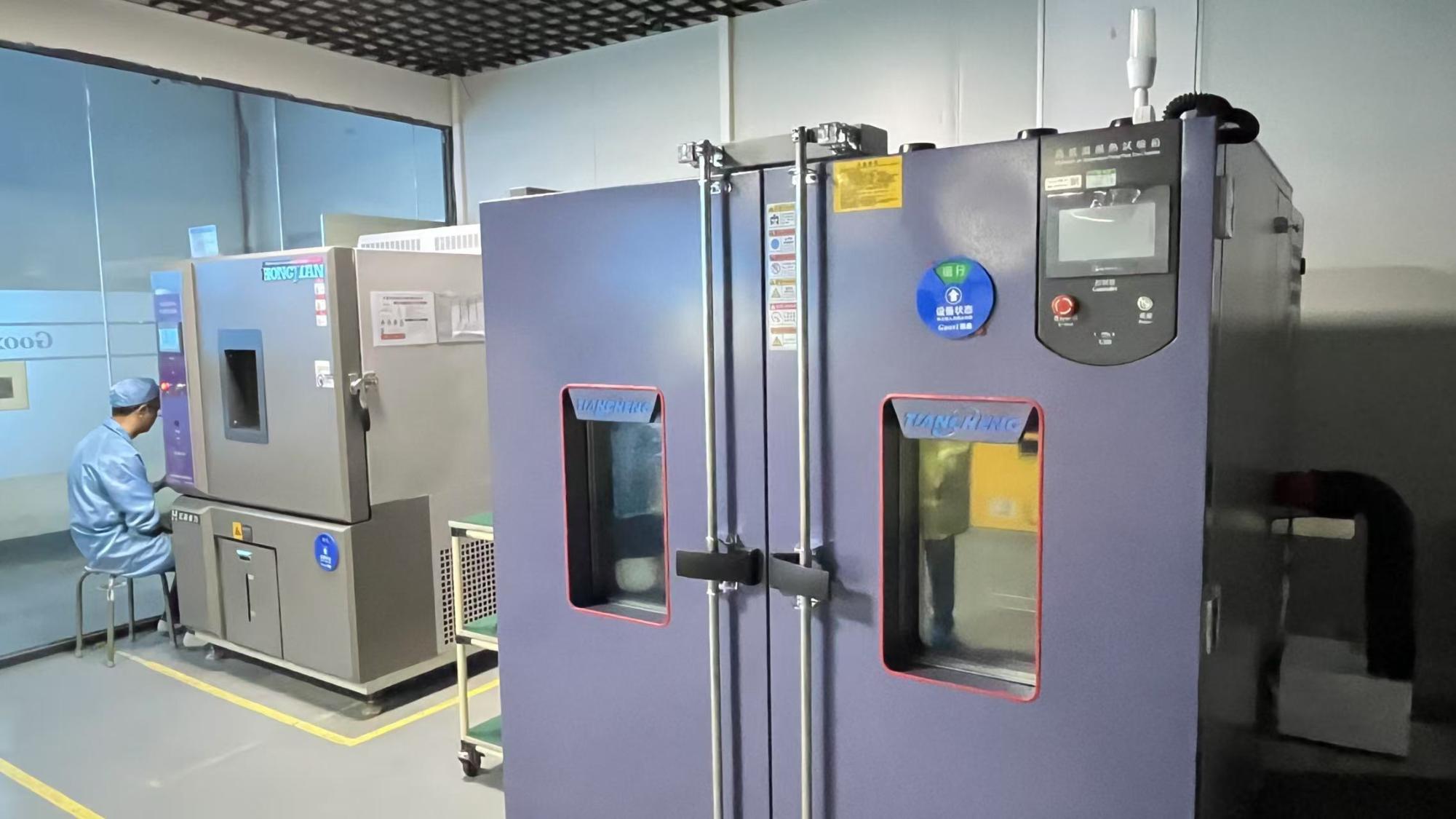
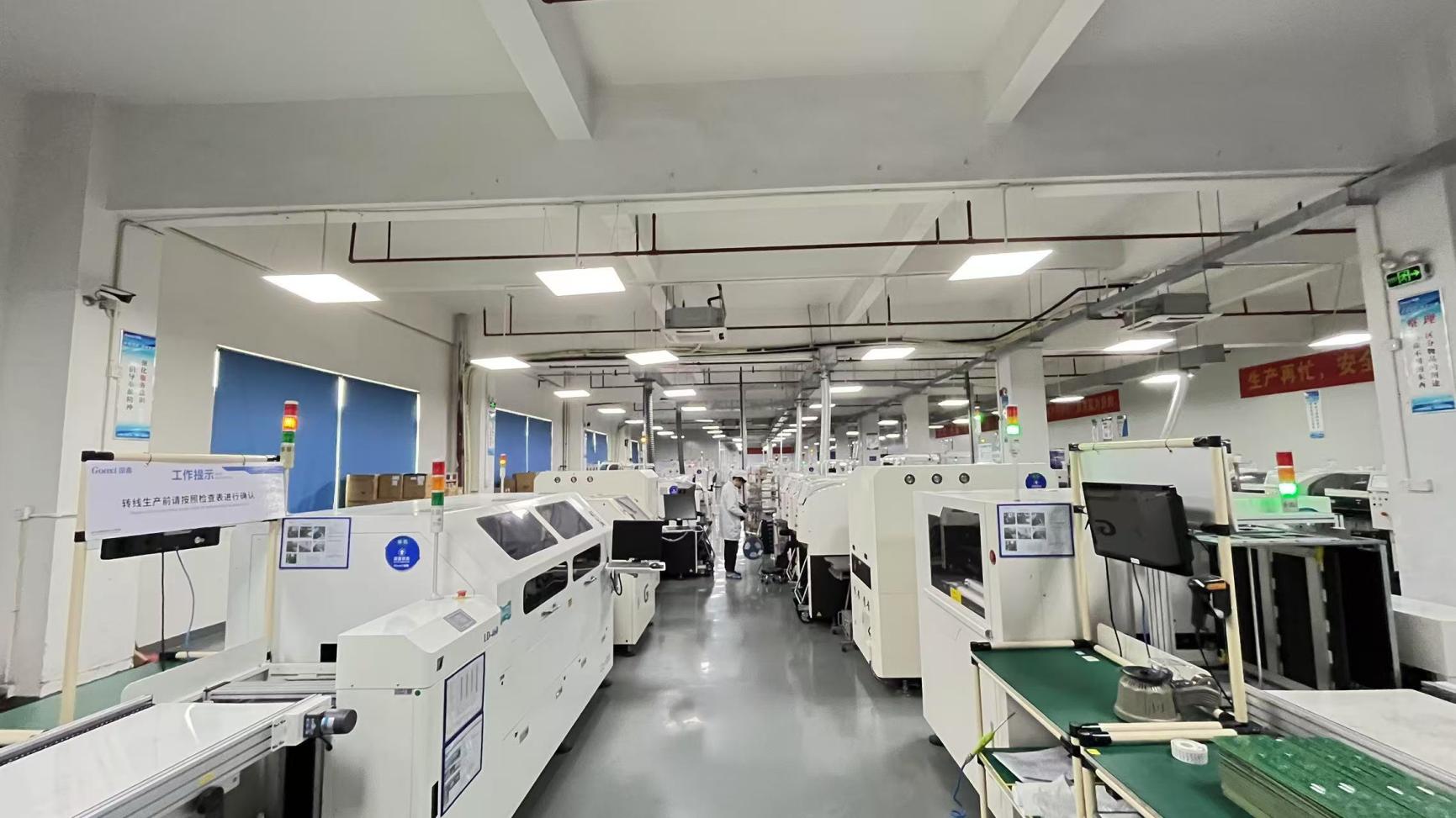
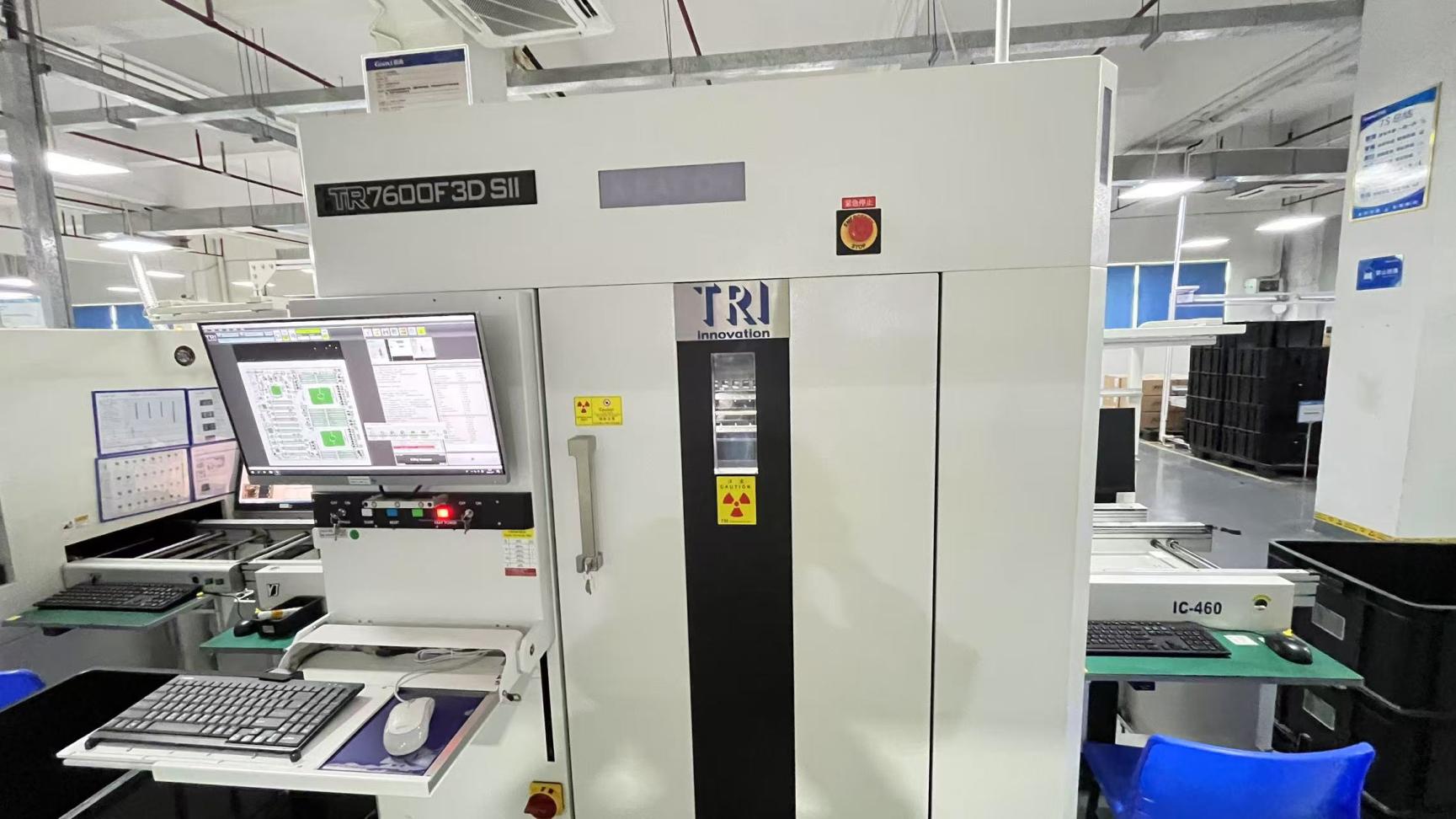
Our manufacturing operations are centered around an 8,500㎡ production facility that houses Class 100,000 cleanrooms. To guarantee long-term link stability, we utilize automated optical test beds, high-frequency oscilloscopes, and environmental chamber testing to identify potential component stress failures prior to export.
Lumetra's quality assurance team features 48 trained quality inspectors who monitor assembly, compliance testing, and calibration steps. Our research division employs 86 R&D engineers who specialize in signal integrity, RF trace optimization, and firmware customization. This active engineering focus enabled us to introduce 220 new products over the last year, expanding compatibility options across major networking platforms.
With 11 years of industry expertise and 7 years of export history, we process an annual export volume exceeding USD 18 million. We collaborate with over 1,200 supply chain partners, guaranteeing reliable sourcing of high-performance components (including EML lasers, PIN photodiodes, and premium transimpedance amplifiers) even during volatile market conditions.
Our modules undergo thorough compatibility and interoperability testing to ensure seamless performance in mixed environments featuring equipment from Cisco, Juniper, Huawei, Nokia, and Mikrotik.
Addressing the operational realities of deployment locations throughout Bangladesh, from high-humidity coastal regions to dense urban infrastructure.
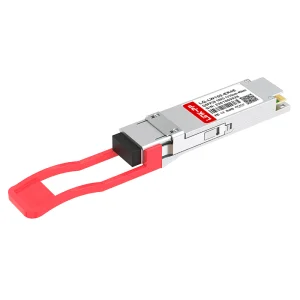
Connecting data distribution hubs in major municipal areas, such as Dhaka and Chittagong. Our 100G LR4 and ER4 transceivers permit long-distance data transmission without active inline amplification, saving infrastructure costs for network operators.
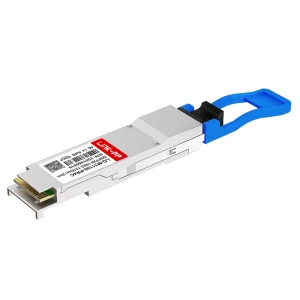
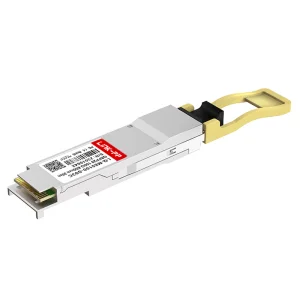
As tech hubs scale in places like Bangabandhu Hi-Tech City, our 400G DR4 and FR4 modules allow operators to maximize physical rack density. This reduces space constraints and power consumption overhead within server halls.
Operating optical links in sub-tropical climates like Bangladesh requires robust sealing and thermal tolerances. Lumetra's industrial transceivers feature specialized hermetic laser packaging to prevent moisture ingress and signal attenuation.
Explore our selection of 100G and 400G modules, optimized for high throughput, low latency, and broad equipment compatibility.
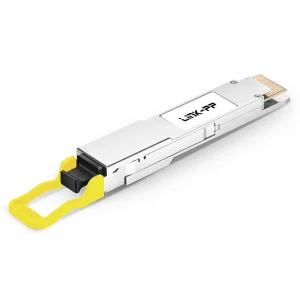
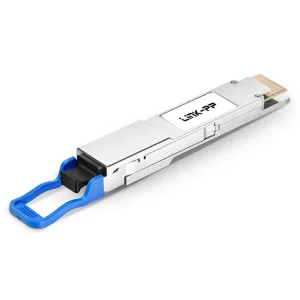
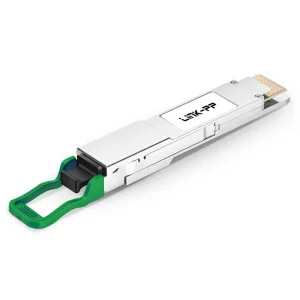
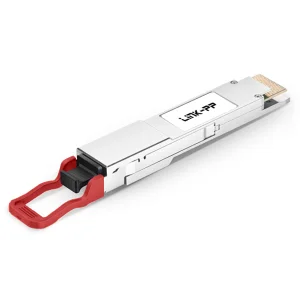
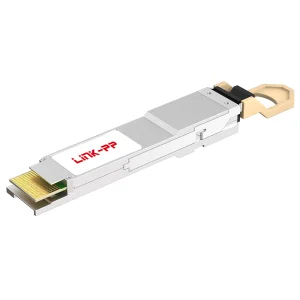
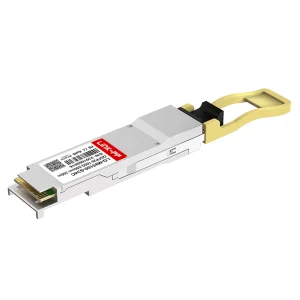
A glance at our production lines, verification labs, and quality assurance processes.

How we are preparing for future bandwidth upgrades, from Co-Packaged Optics to 800G and 1.6T transceivers.
By integrating optical components directly onto silicon substrates, we reduce unit component count and minimize physical fiber couplings. This improves reliability, increases production yields, and lowers unit power budgets.
Designed for distances exceeding 80km. Coherent detection formats adjust amplitude, phase, and polarization, allowing network operators to scale fiber capacities without installing expensive inline repeaters.
Our R&D team develops custom thermal heat sinks and TEC (Thermoelectric Cooler) micro-controllers. These systems stabilize operating temperatures, enabling long-haul transceivers to run in environments with high ambient heat.
Common questions from network engineers and procurement teams regarding module selection, compatibility, and logistics.
Every optical transceiver is configured with product-specific EEPROM coding matching the target vendor's parameters. We run full testing in our compatibility labs against actual host switches (such as Cisco Catalyst/Nexus, Juniper MX/PTX, and Huawei CloudEngine systems) to verify link initialization and DDM telemetry.
We provide Commercial (0°C to 70°C), Extended (-5°C to 85°C), and Industrial (-40°C to 85°C) temperature ranges. For outdoor installations or uncooled telecom cabinets across Bangladesh, we recommend our industrial-range optical modules.
For standard 100G/400G transceivers, production lead times average 1 to 2 weeks. Custom ODM orders (including custom wavelengths, specialized firmware, or unique labeling) require approximately 3 to 4 weeks. Delivery to Bangladesh via global air freight couriers typically takes 3 to 5 business days.
All Lumetra transceivers comply with relevant Multi-Source Agreements (MSAs), including QSFP28, QSFP56, and QSFP-DD. They carry international CE, FCC, RoHS, and TUV laser safety certifications, ensuring compliance with global network deployment requirements.
Yes, our long-reach modules are designed to work with Forward Error Correction (FEC) enabled on host equipment. This improves the link bit-error-rate (BER) and helps maintain connection stability across high-attenuation fiber spans.
Our R&D engineers can assist you with system design, link budget calculations, customized wavelengths, and compatibility profiles tailored to your hardware environment.