Lumetra
Lumetra
Lumetra
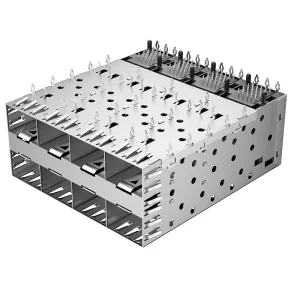
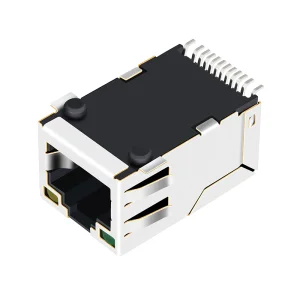
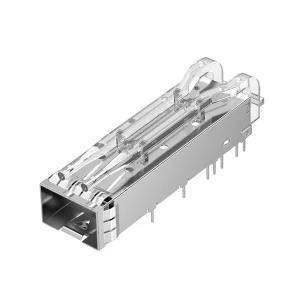
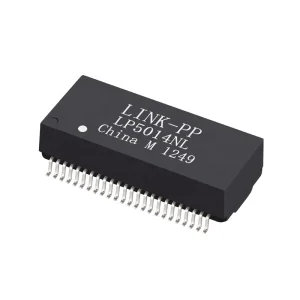
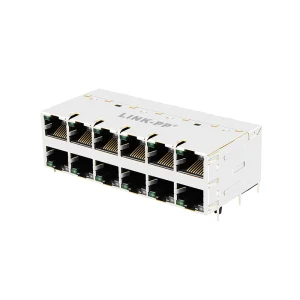
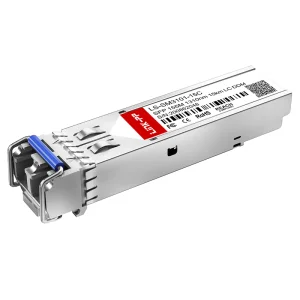
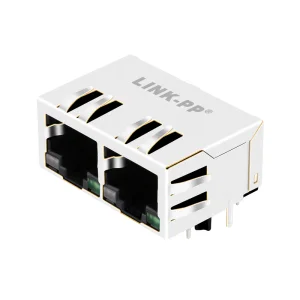
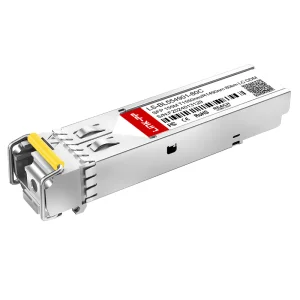
In the landscape of modern telecommunications, data centers, and advanced automation, high-performance physical layer connectors represent the unsung heroes of reliable throughput. Ethernet port connectors, SFP+ multi-port cages, and magnetics-integrated RJ45 assemblies serve as the vital gateway between high-speed copper/optical pathways and complex PCB circuits. As speeds shift from Gigabit baselines to 10G, 25G, and 400G networks, hardware designers face massive signal integrity challenges, including electromagnetic interference (EMI), crosstalk mitigation, and insertion loss management.
Lumetra Optoelectronics Technologies Co., Ltd. is positioned at the forefront of this technological shift. Established in 2016, Lumetra is a premier OEM and ODM manufacturer of advanced physical layer transceivers and modular connectors. Serving Tier-1 systems integrators, telecom operators, and enterprise hardware clients globally, Lumetra builds reliable, industry-compliant interface solutions backed by years of rigorous R&D and production scaling.
Continuous innovation footprint: Launched more than 220 new interface designs in the last fiscal year alone.
Understanding the structural requirements of enterprise-grade procurement teams is critical to streamlining integration pathways, managing quality controls, and mitigating supply-chain volatility.
In server architectures and telecom central offices, data packet loss translates directly to latency and service downtime. OEM procurement demands strict control over parameters like insertion loss, return loss, and NEXT (Near-End Crosstalk) across high-frequency bands. Dynamic shielding design prevents EMI leakage, which is crucial for modern dense layouts.
Connector designs must withstand automated PCB assembly processes (including high-temp reflow ovens) and repeated mating cycles. Mechanical stability is achieved through robust gold-plating options (up to 50u"), resilient spring tabs, and press-fit alignment pins that ensure standard, secure anchor points on host PCBs.
Standard off-the-shelf connectors frequently fail to fit legacy form factors or specific board height limitations. Companies rely on manufacturers like Lumetra to adapt mechanical dimensions, pin configuration, integrated LED colors, and magnetics turns ratios to match specific PHY chips.
| Feature Category | Standard Ethernet RJ45 Connectors | Integrated MagJacks (with Magnetics) | SFP / SFP+ Cage Assemblies |
|---|---|---|---|
| Primary Application | Consumer devices, general switches, local networks | High-performance routers, IoT hubs, servers | Fiber-to-Ethernet converters, high-density core switches |
| Magnetics Integration | None (requires external magnetic modules on board) | Internal magnetic transformer for signal isolations | Not applicable (handled inside active optical transceivers) |
| EMI Protection | Basic metal shield wrap | Multi-point grounding tabs with advanced EMI shielding | Full-enclosure metallic cage with spring finger design |
| Speed Capabilities | 10/100 Mbps to 1 Gbps | 100 Mbps to 10 Gbps (Cat6A / Cat7 / Cat8 support) | 1 Gbps to 25 Gbps per lane (up to 400G in QSFP-DD arrays) |
| Mounting Options | Through-hole (THT), SMT, right-angle, vertical | Through-hole, SMT, Press-fit configurations | Press-fit, Through-hole soldering, Ganged 2xN arrays |
Integrating Ethernet interfaces into different industry verticals requires targeted optimization strategies. Lumetra designs customizable solutions built for operational durability.
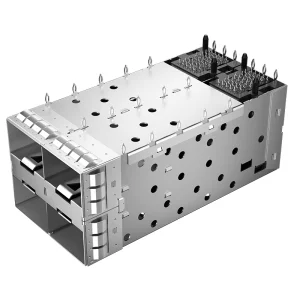
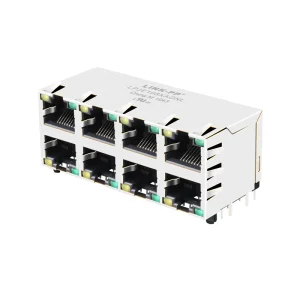
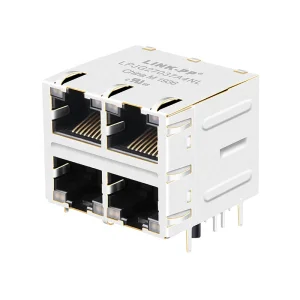
Modern AI clusters and enterprise cloud datacenters operate under tight space limitations and severe thermal loads. To sustain uninterrupted 25G/100G/400G transmissions, Lumetra provides custom ganged and stacked SFP/SFP+ cage assemblies (e.g., 2x4 and 2x2 multi-port press-fit designs). By embedding thermal lightpipes and maximizing the surface area of heat dissipation tabs, these cages allow optimal airflow to protect the delicate optoelectronics within optical transceivers.
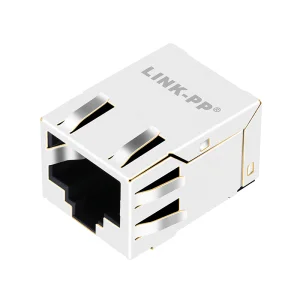
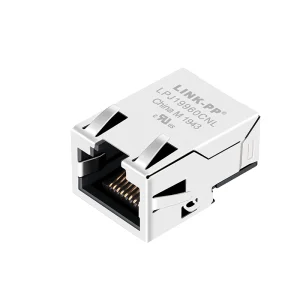
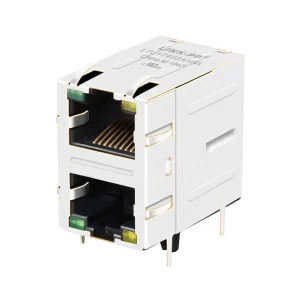
In smart factories, manufacturing lines generate intense electromagnetic noise alongside high physical vibrations and temperature swings. Lumetra's Integrated MagJack RJ45 lines are designed with robust mechanical properties. Dual-color built-in LEDs provide instant status telemetry, while integrated 1500V isolation transformers shield sensitive controllers from surges and ground loops.
The rise of remote security cameras, smart lighting, and 5G small cells demands power delivery over copper lines up to 90W (under IEEE 802.3bt specifications). Lumetra’s PoE-capable RJ45 connectors feature heavy-gauge alloy pins with specialized gold plating to prevent electrical arcing at the contact points. They also integrate specialized magnetics winding configurations to maintain balanced DC currents and prevent magnetic core saturation.
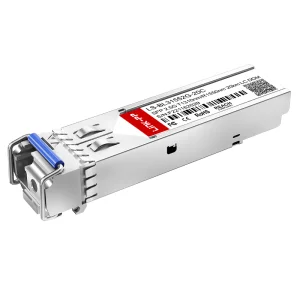
Extending network range requires high-speed optical transceivers. Lumetra manufactures single-mode, multi-mode, and bidirectional (BiDi) LC/MTP optical transceivers. Operating at critical wavelengths (850nm, 1310nm, and 1550nm), these transceivers interface directly with standard SFP/SFP+ slots to connect remote operations up to 80km away without signal degradation.
Optimizing magnetic cores to support transmission frequencies up to 2GHz, ensuring reliable 25GBASE-T and 40GBASE-T deployments on copper connections.
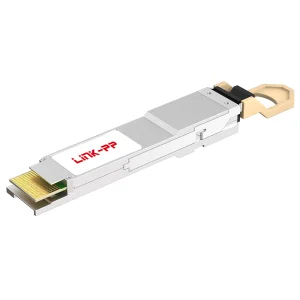
Developing co-packaged optics (CPO) sockets and QSFP-DD/OSFP cage assemblies with passive heat sinks to meet the cooling demands of AI workloads.
Embedding micro-monitoring circuits directly within the RJ45 housing to track temperature, current leakage, and physical connectivity status in real time.
Equipped with modern manufacturing machinery, automated optoelectronic test lines, and rigorous environmental stress-screening systems, Lumetra maintains quality controls at every stage of production.
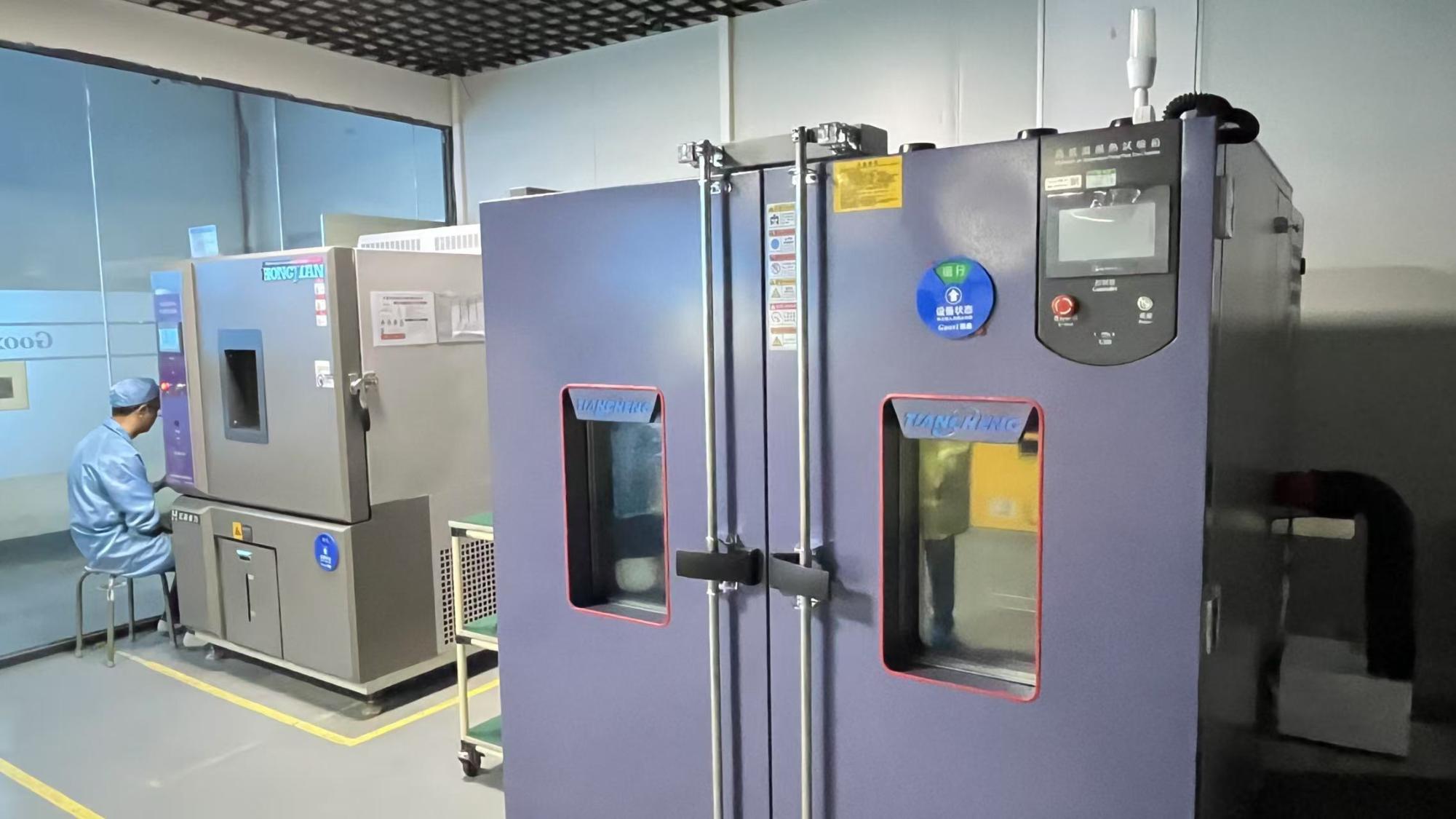
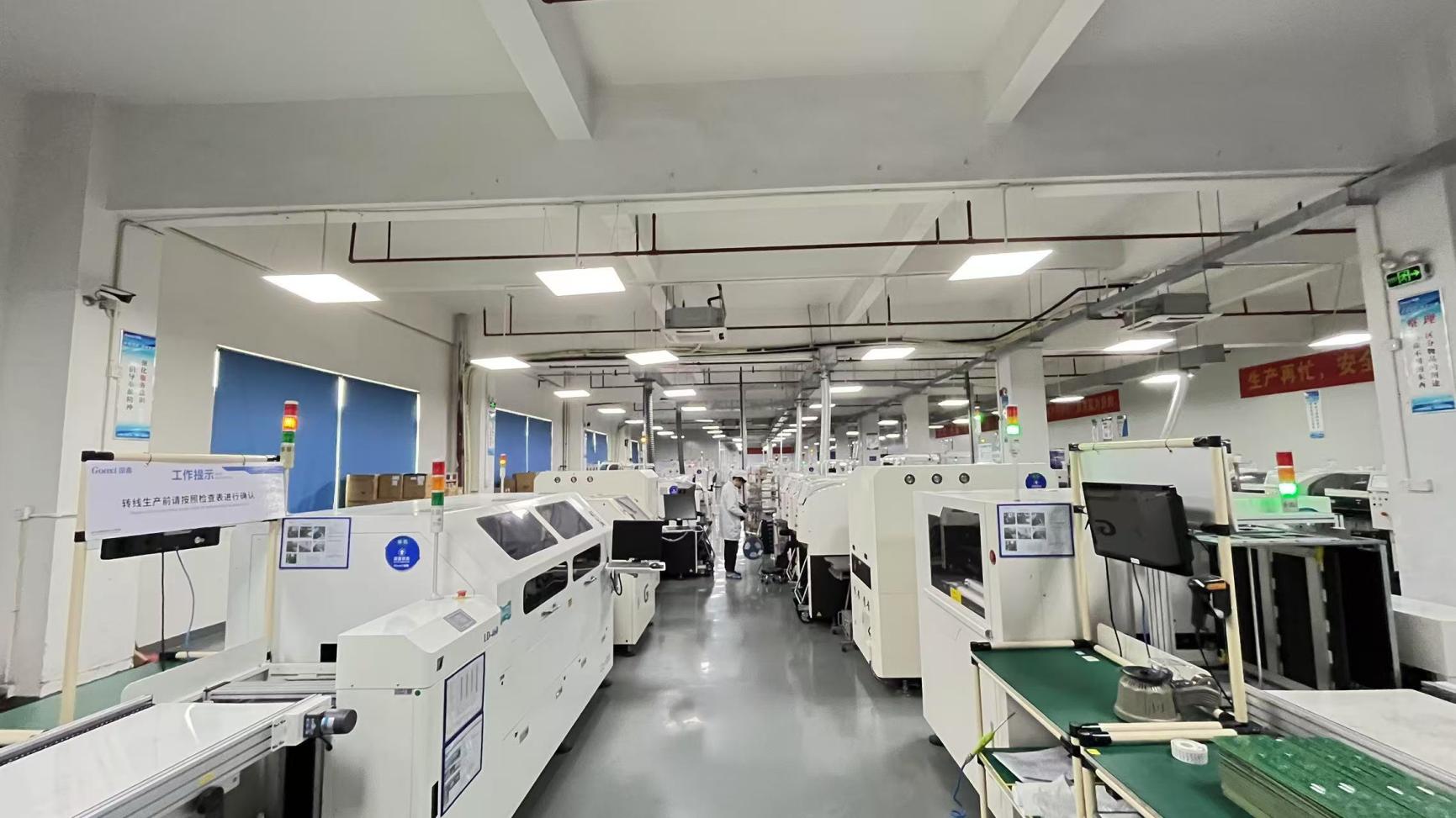
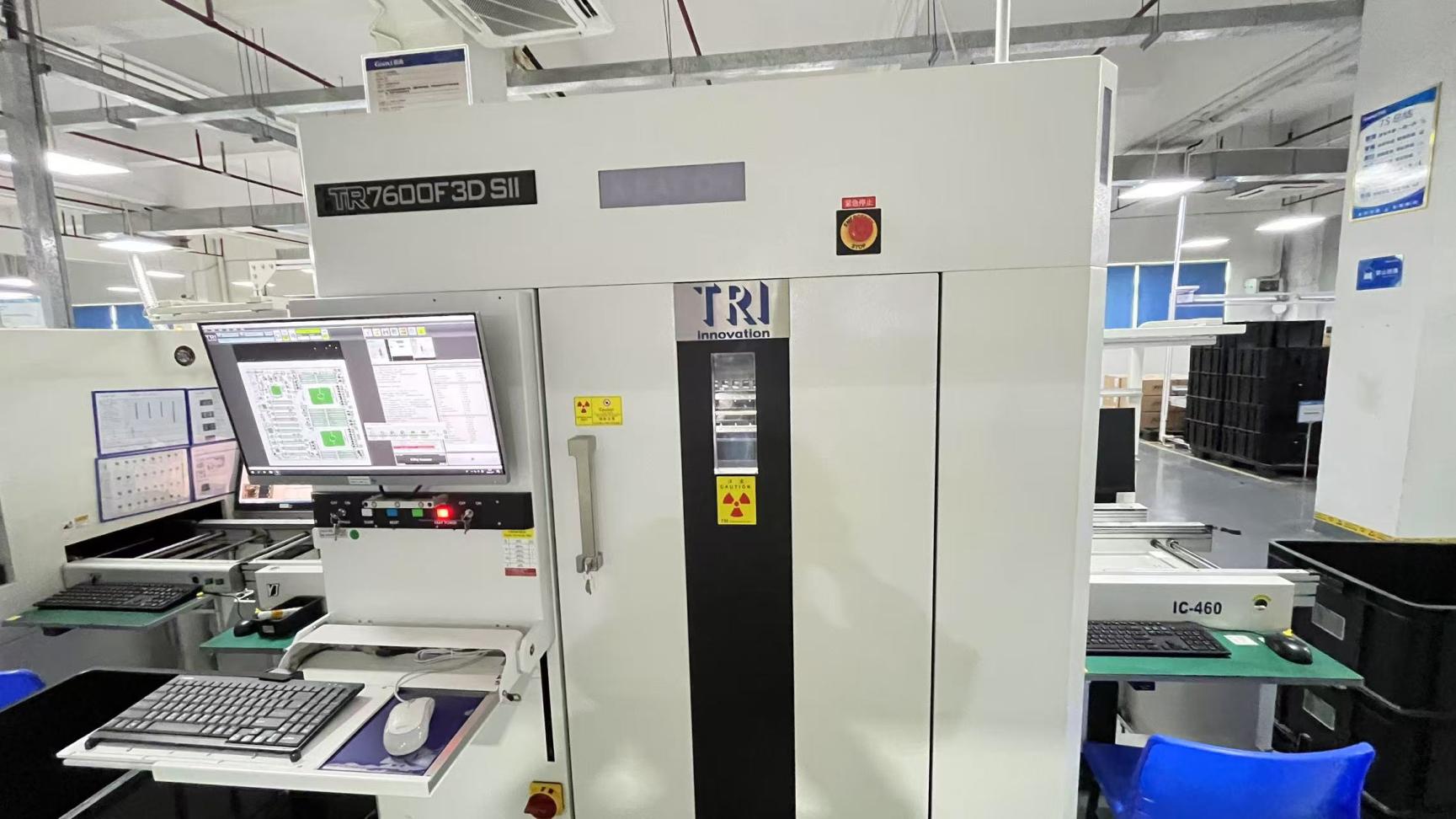
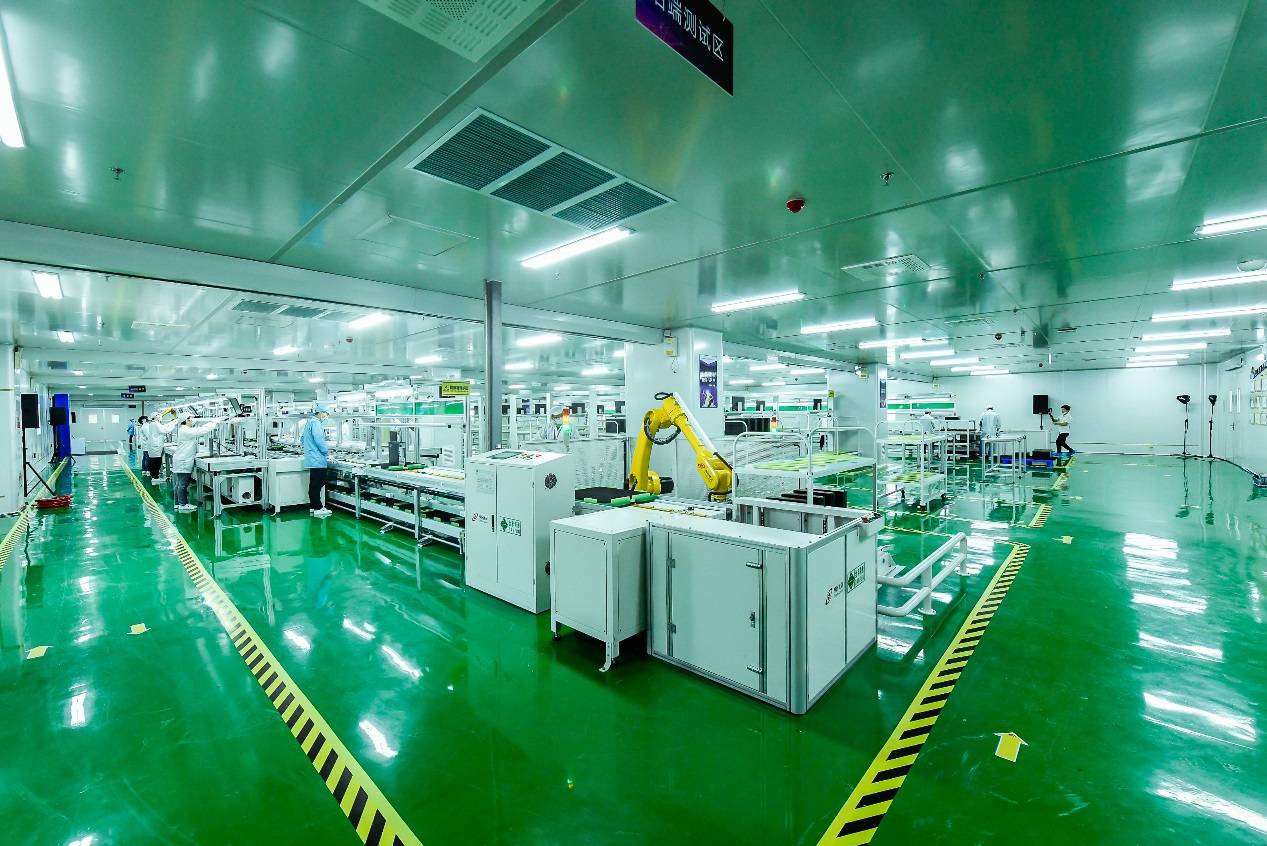
Lumetra’s 48 QC inspectors manage a multi-step inspection framework, checking raw materials upon entry and monitoring active assembly lines. Testing protocols include:
We collaborate with over 1,200 supply chain partners globally to secure quality raw materials, including high-temperature liquid crystal polymers (LCP) and high-conductive copper alloys. This resilient supply network mitigates standard lead-time fluctuations, allowing us to maintain on-schedule deliveries during high-volume production cycles.
Additionally, Lumetra offers comprehensive regulatory compliance assurances, providing certifications like RoHS, REACH, CE, FCC, and UL. Our local engineering support teams assist clients in North America, Europe, and Southeast Asia from early-stage board layout consulting through final field testing.
Integrated MagJack connectors place the isolation transformers, common-mode chokes, resistors, and capacitors directly inside the RJ45 housing. This integrated approach reduces occupied PCB space by up to 50%, simplifies board design, and shortens trace lengths, which significantly helps mitigate EMI issues and crosstalk.
Our engineering team analyzes the specific PHY datasheets to customize the internal magnetics configuration, turns ratio, and auto-MDIX compatibility of our RJ45 connectors. During our design validation testing (DVT) phase, we verify compatibility with major industry transceiver chips to ensure plug-and-play matching.
We provide Press-fit (compliant pin) and Through-Hole Technology (THT) solder terminations. Press-fit terminations are preferred for dense backplane designs as they eliminate the need for wave soldering, which protects nearby heat-sensitive components and makes replacement simpler.
Our connectors utilize high-grade copper alloys with heavy-duty gold plating (typically 50u") to minimize electrical resistance at contact points. The internal transformers are designed with larger cores and specialized wire windings to handle currents up to 1A per pair (supporting up to 90W/100W PoE++) without overheating or saturating the magnetic core.
Standard modification requests (such as custom LED configurations or specific pin lengths) are completed within 3 to 4 weeks. Full custom designs—from initial conceptualization, 3D CAD modeling, and electrical simulation to tooling and sample fabrication—typically take 6 to 8 weeks, depending on design complexity.