Lumetra
Lumetra
Lumetra
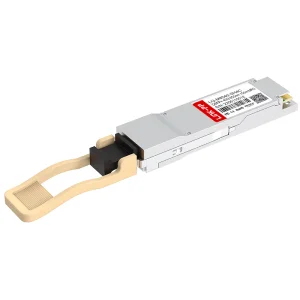
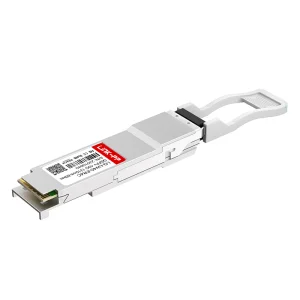
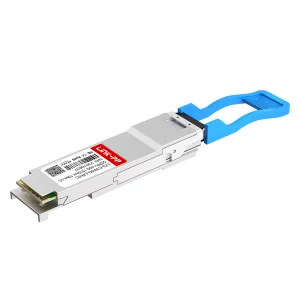
Engineered to comply with MSA requirements and deliver low-latency performance inside enterprise core layers and server access points.
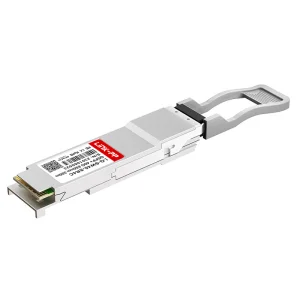
As the fourth-largest city in the United States and the undisputed energy capital of the world, Houston houses an incredibly diverse industrial base. Beyond downstream petroleum refining and offshore oil extraction operations in the Gulf of Mexico, the metroplex has quickly transitioned into a major technological hub. High-performance computing (HPC) environments in the Energy Corridor require heavy-duty calculation capabilities to run modern geophysics simulations and seismic dataset modeling.
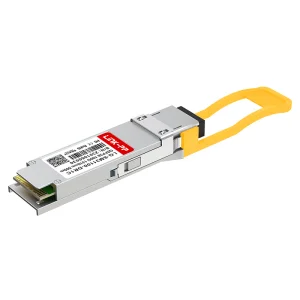
Additionally, the Texas Medical Center (TMC)—the largest medical complex in the world—requires rapid data movement across clinical databases, research servers, and genomics labs. Moving terabytes of highly sensitive patient information requires zero packet loss and minimal latency. 40G QSFP+ (Quad Small Form-factor Pluggable Plus) modules remain the foundational interface layer for bridging top-of-rack switches back to 10G access ports and forward to emerging 100G/200G core architectures.
Lumetra Optoelectronics Technologies Co., Ltd. blends cutting-edge design, rigorous laboratory testing, and robust global logistics channels.
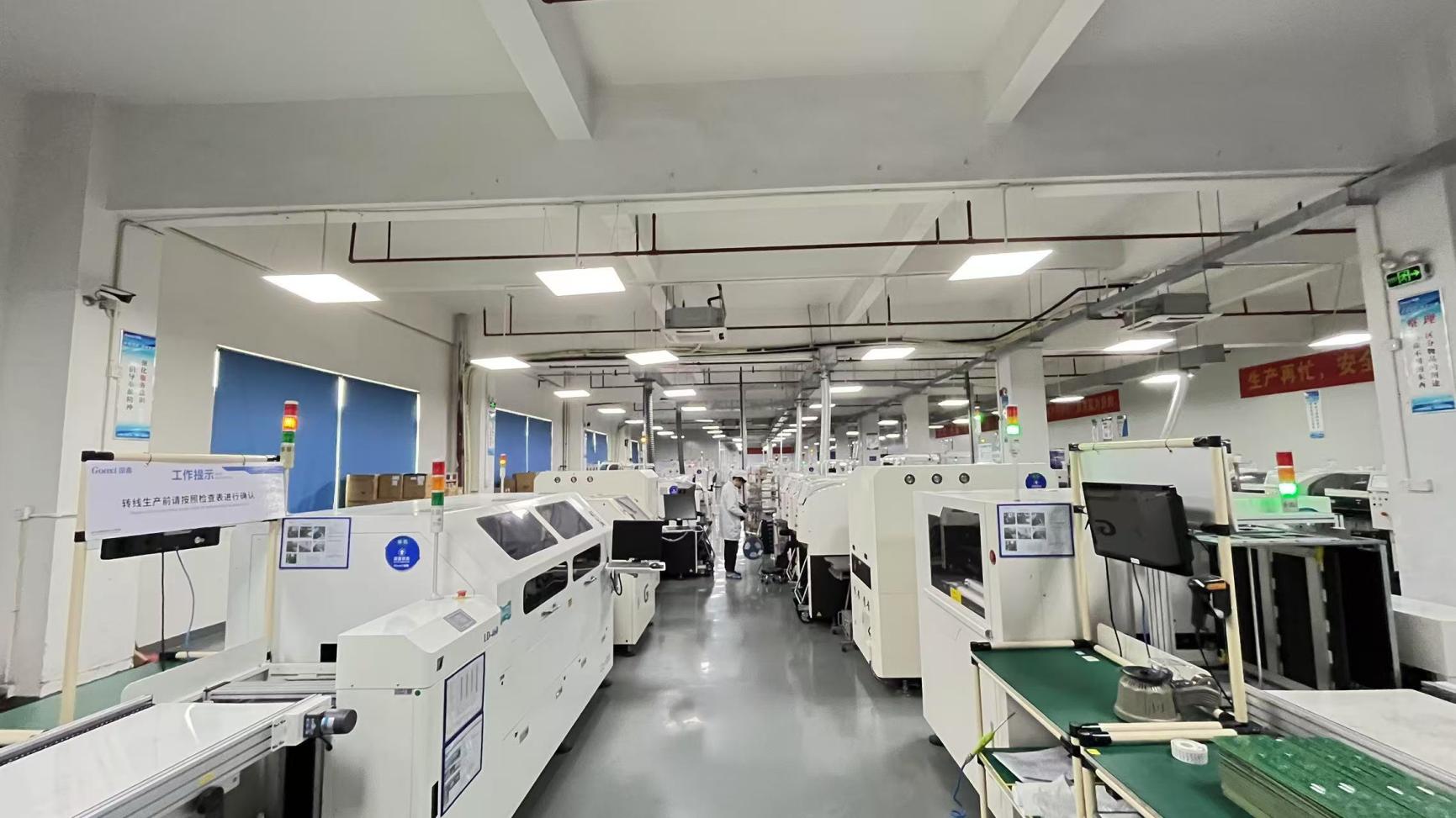
Purchasing optical hardware from third-party domestic distributors inside the U.S. often leads to highly inflated prices, limited firmware compatibility, and sluggish technical support turnaround. Partnering directly with high-performance manufacturing experts like Lumetra Optoelectronics Technologies Co., Ltd. changes the equation. Founded in 2016, we integrate raw optoelectronic component selection with active alignment packaging and automatic programming verification systems.
With an production facility covering 8,500 square meters and structured with automated cleanrooms, we support large-scale OEM/ODM projects. Our supply network includes over 1,200 verified hardware vendors, providing priority access to top-tier lasers (DFB, VCSEL, EML) and advanced photo-detector ICs. Houston datacenters and system integrators receive products built to industry standard specifications, avoiding compatibility issues with legacy switches.
Deploying 40G interconnects requires a balance of distance, fiber cabling architectures, and cost. Below is the technical breakdown of common configurations utilized across modern Texas enterprise sites:
Ideal for intra-datacenter server connectivity and core switch cascades. Runs over Multimode Fiber (MMF) using MPO/MTP or standard Duplex LC cables. Distances range from 100 meters to 300 meters.
Designed to connect distinct campuses or dispersed server rooms up to 10km. Employs coarse wavelength division multiplexing (CWDM) over Duplex LC Single-Mode Fiber (SMF).
Specially designed for metro-area links, offsite disaster recovery data centers, and remote industrial plants. Transmits across 40km to 80km spans without active repeaters.
For chemical refineries along the Houston Ship Channel or offshore operations in deep waters, equipment downtime causes immediate loss of revenue. Transceiver failures are often caused by poor thermal dissipation, bad firmware configurations, or physical optical path contamination. Lumetra prevents these issues through a comprehensive quality verification process.
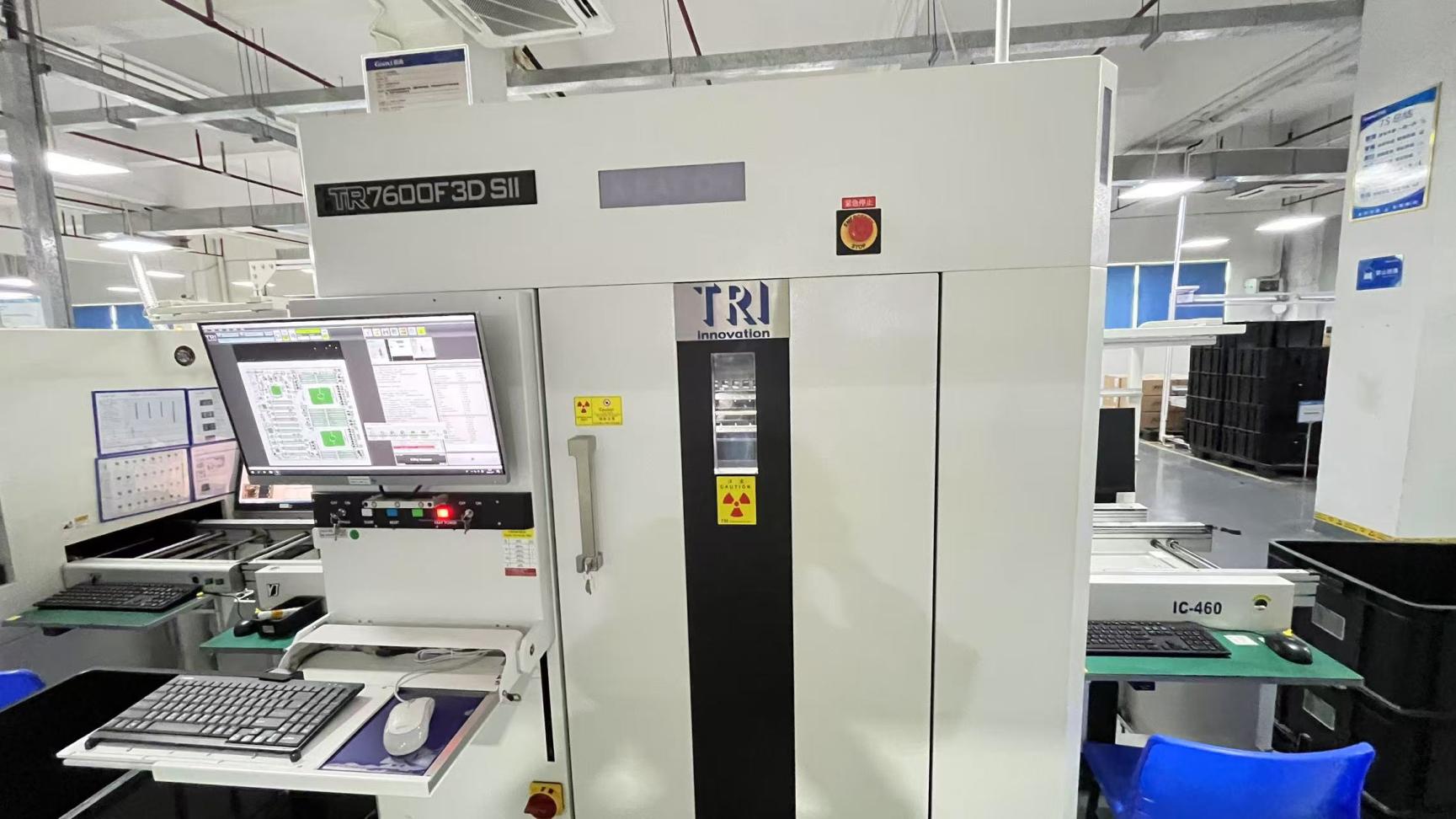
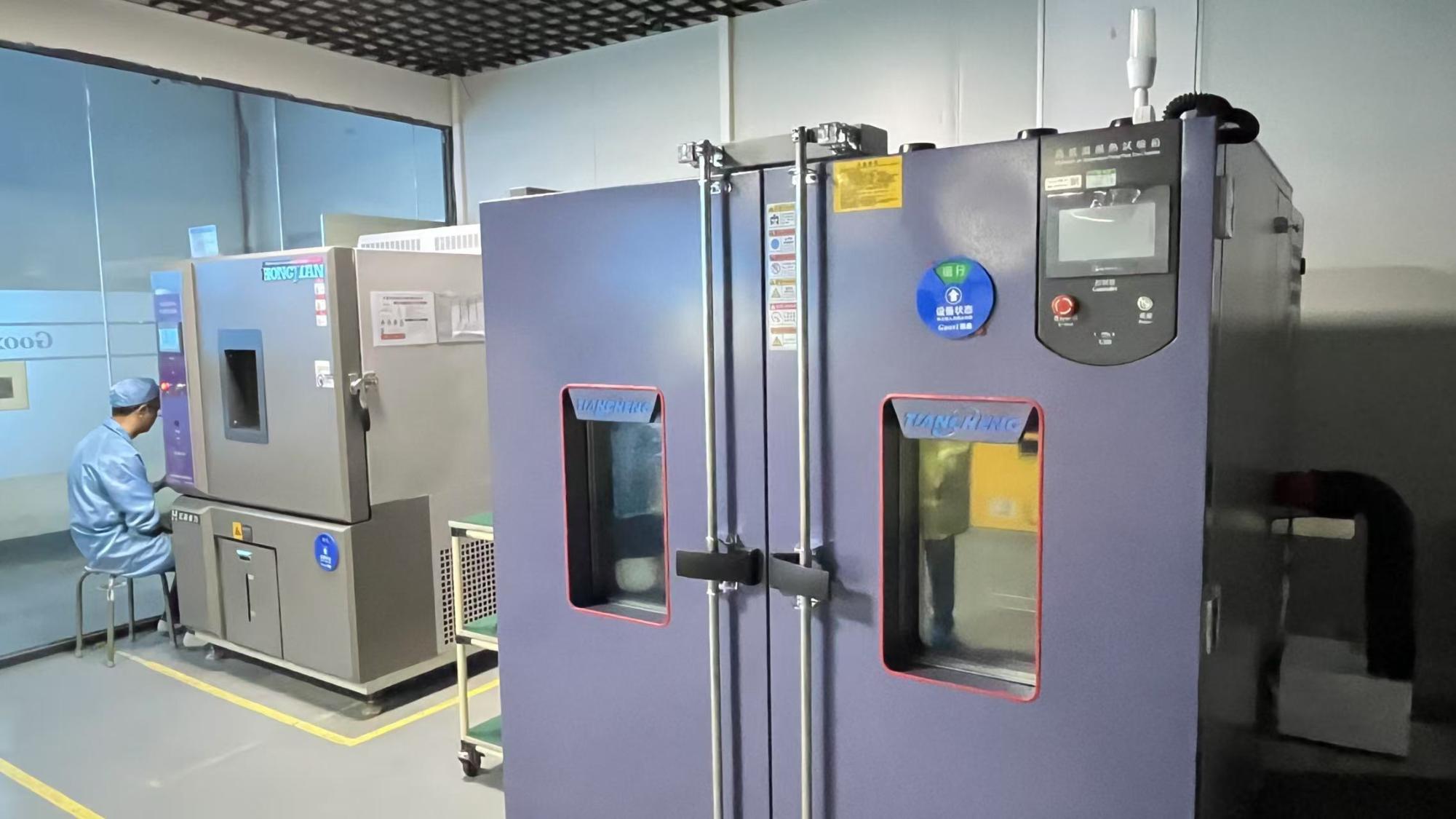
Every module undergoes real-time automated eye diagram monitoring, bit error rate (BER) validation, and temperature-controlled cycling within advanced thermal cabinets. Our custom EEPROM mapping ensures compatibility with platforms like Cisco, Arista, Juniper, Dell, and HPE, guaranteeing a true plug-and-play experience for engineering teams in the field.
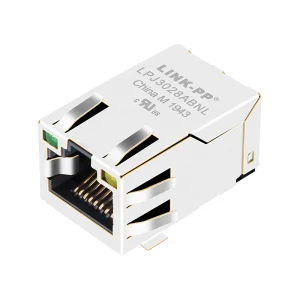
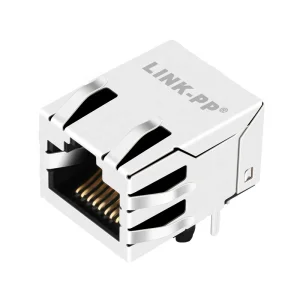
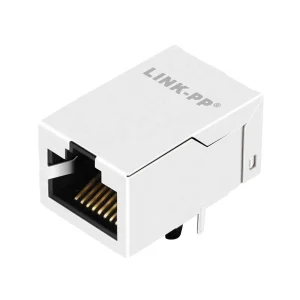
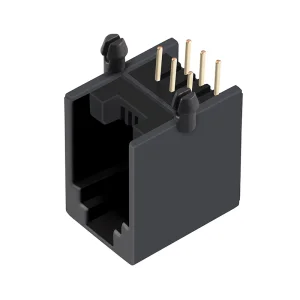
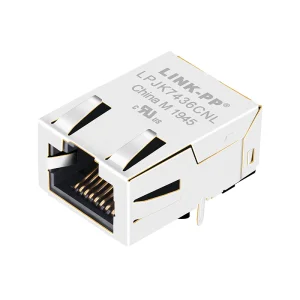
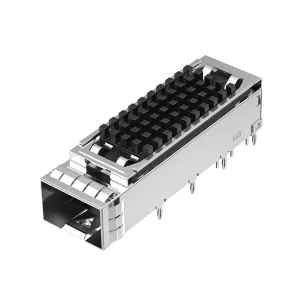
Explore our high-performance fiber optic modules, low-profile Ethernet connectors, and next-generation 200G hardware upgrades.
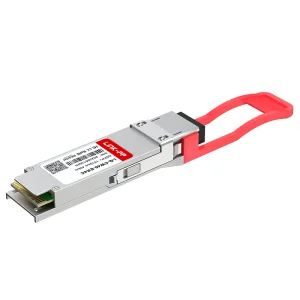
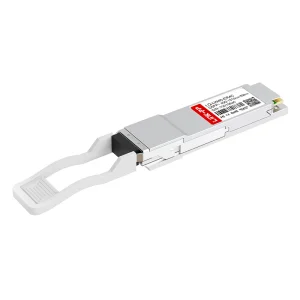
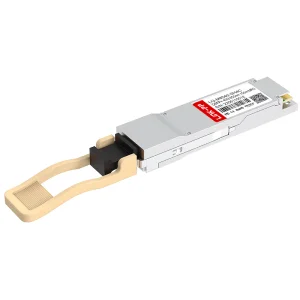
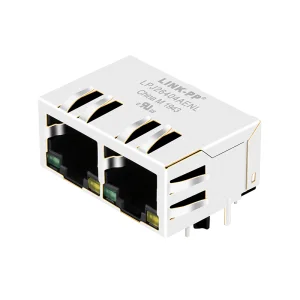
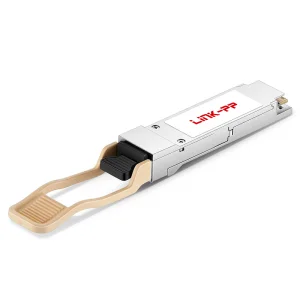
Ensure system-wide component reliability with our board-level connectors and next-generation optical transceivers.
Enterprise datacenters require consistent equipment sourcing. Our logistical support infrastructure ensures transit processes are optimized, with products shipping from our high-capacity production hub directly to the Port of Houston, George Bush Intercontinental Airport (IAH), or regional shipping facilities. All international exports include comprehensive documentation: Certificate of Origin, MSA compliance reports, CE/FCC certificates, and environmental compliance documentation (RoHS, REACH).
Additionally, we work closely with engineering teams throughout the testing process. Whether matching custom vendor configuration codes on legacy switches or optimizing DOM (Digital Optical Monitoring) parameters for harsh-environment oil rigs, our 86 R&D engineers provide remote and on-site support to keep networks running smoothly.
Technical and logistical insights for systems administrators, enterprise procurement managers, and network engineers.