Lumetra
Lumetra
Lumetra
Engineered to deliver exceptional signal integrity, electromagnetic compatibility, and maximum port density for modern high-bandwidth communication systems.
Founded in 2016, Lumetra Optoelectronics Technologies Co., Ltd. has established itself as an industry-leading manufacturer and exporter specializing in high-speed optical transceivers, high-density magnetic RJ45 connectors, and structured cabling components. We engineer complex interconnect solutions supporting the massive bandwidth requirements of cloud providers, modern telecom networks, and hyperscale data centers.
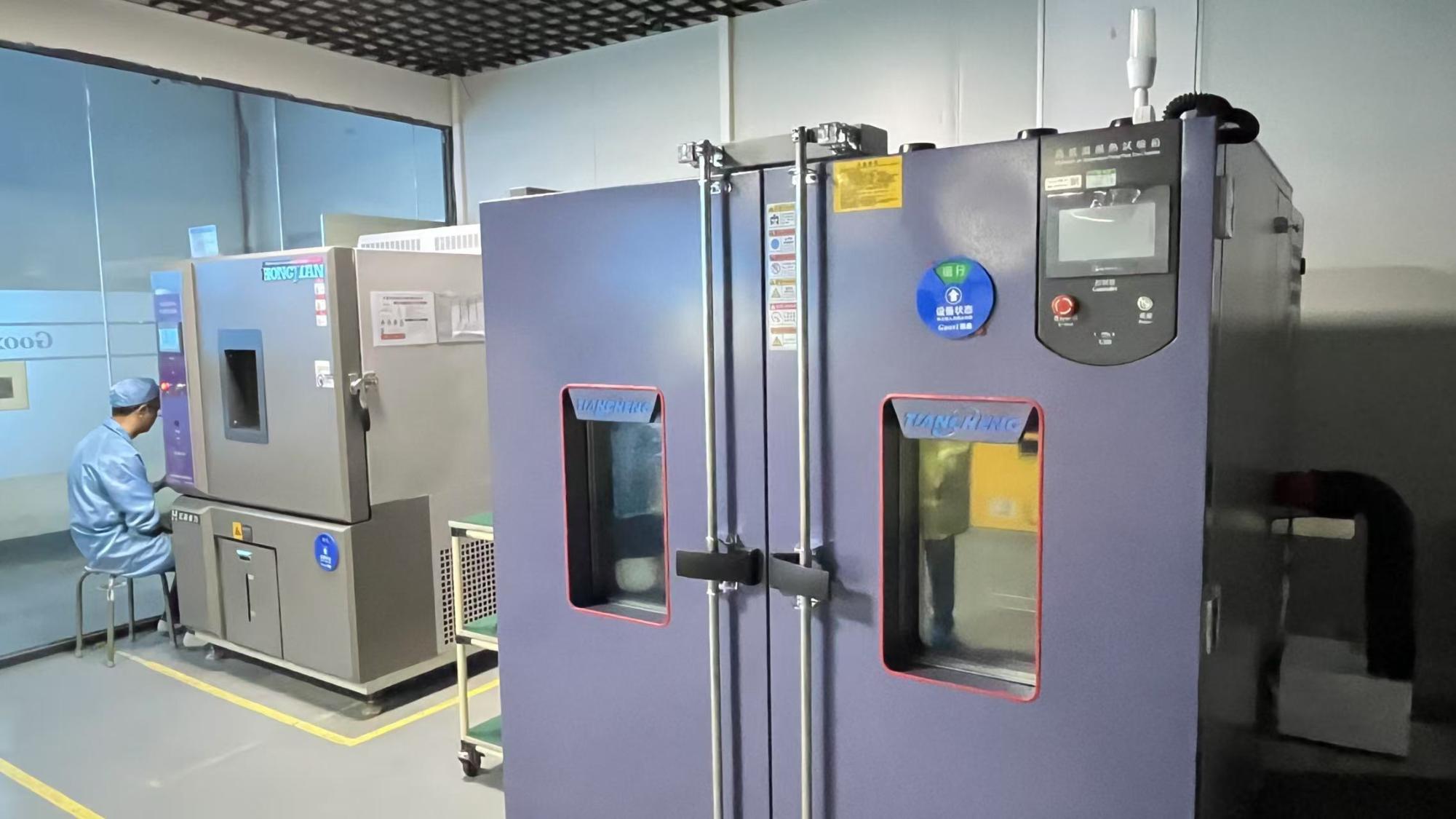
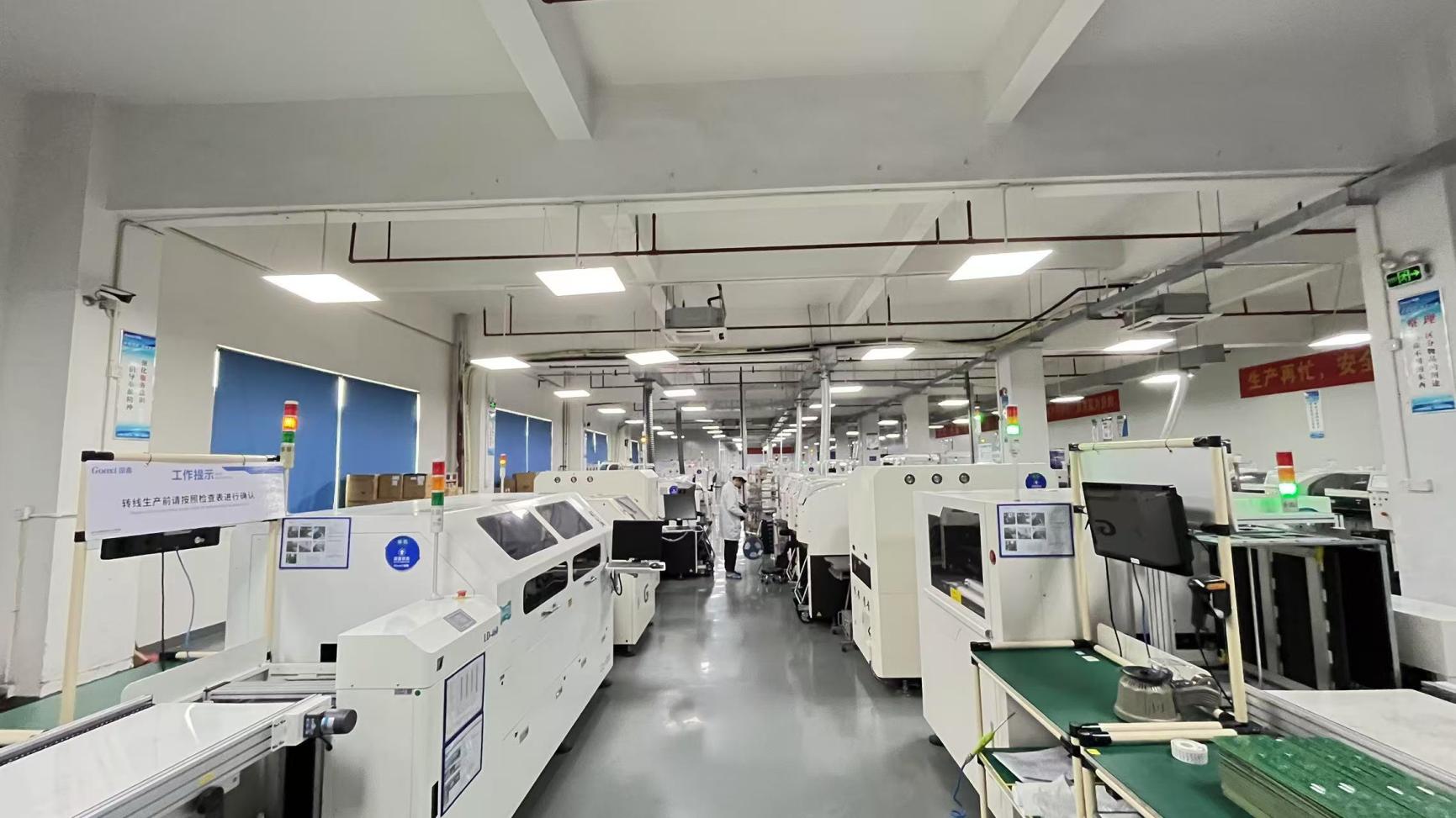
Our infrastructure matches our drive for excellence: we operate an advanced, ISO-certified 8,500m² manufacturing facility featuring automated packaging lines, high-precision surface mount technology (SMT) machinery, and rigorous testing chambers. Combined with our 11 years of deep industry expertise and 7 years of global export experience, we deliver robust components that ensure network uptime globally.

How physical layer components are adapting to the footprint constraints and signaling requirements of next-generation enterprise switching architectures.
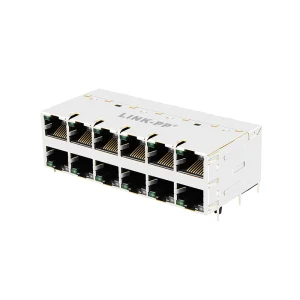
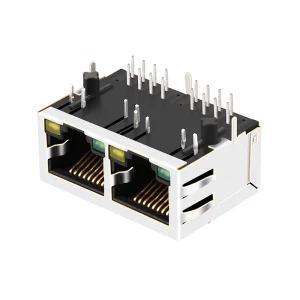
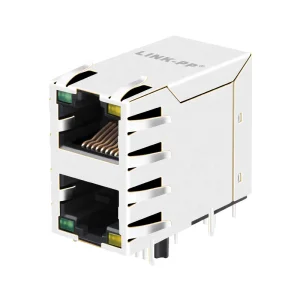
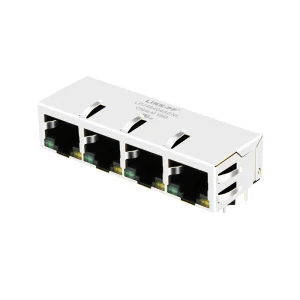
In modern enterprise networks, standard 1U patch panels and switch chassis demand maximum port packing ratios. Multi-port ganged configurations (such as 2x6, 2x8, or stacked SMT RJ45 jacks) allow system architects to double standard port counts within the identical chassis front-plate outline, directly minimizing rack-unit footprint.
High-density trace layouts are highly susceptible to Near-End Crosstalk (NEXT) and Far-End Crosstalk (FEXT). Premium high-density connectors must incorporate enhanced EMI shielding (including internal shielding tabs and outer EMI fingers) alongside integrated isolation transformers to limit high-frequency noise and suppress electromagnetic interference.
With IEEE 802.3bt (PoE++) delivering up to 90W of power over standard Cat6A cabling, high-density RJ45 contacts must feature robust copper alloys with heavy gold plating. This prevents contact erosion and material fatigue during live-mating and unmating cycles, while maintaining thermal stability under continuous DC currents.
We combine massive supply-chain partnerships with advanced customization capabilities to support telecom systems and enterprise integrators.
Global system integrators cannot afford to rely on single-source connector suppliers. Lumetra designs drop-in pin-to-pin equivalents for industry-standard brands like Amphenol, Pulse Electronics, and Molex. This ensures procurement teams can substitute components seamlessly without redesigning existing PCBs.
With an engineering pool of 86 specialists, we address demanding protocol, custom wavelength tuning, and optical performance specifications. Our team regularly customizes internal magnetic configurations, LED colors, and SMT package geometries to meet specific thermal and spatial limitations.
Lumetra maintains robust partnerships with over 1,200 key material suppliers. This diversified ecosystem guarantees raw material availability (such as specialized plastic resins, copper shielding, and high-frequency ferrite cores) even during volatile market cycles, avoiding costly manufacturing pauses.
Compare the electrical, mechanical, and optical parameters of key interconnect types in our portfolio to match your application requirements.
| Connector/Module Class | Key Product Code | Data Rate Support | Mating Type / Form Factor | EMI Shielding Architecture | Application Scope |
|---|---|---|---|---|---|
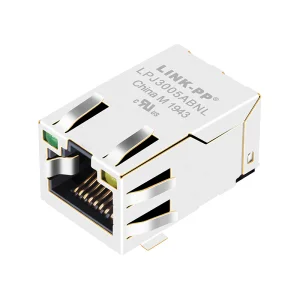
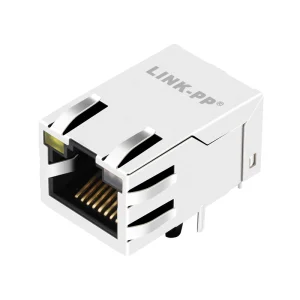
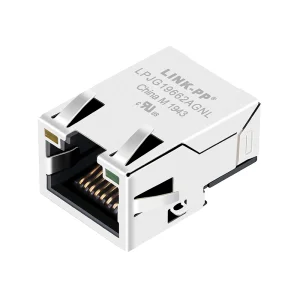
| SMT RJ45 Female Jack | JX30-0005NL | 10/100/1000 Base-T | Surface Mount (SMT), 8p8c | Fully Shielded, Integrated Ground Tabs | Miniaturized network hubs, IoT gateways |
| Multi-Port Stacked RJ45 | 0811-2X6R-19-F | 100 Base-T | Through-Hole (THT), 2X6 Ports | Outer EMI fingers, inner isolation | High-density enterprise switches & routers |
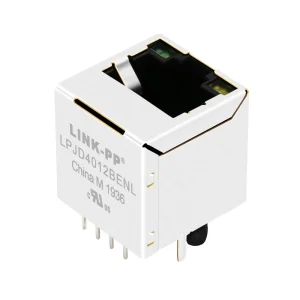
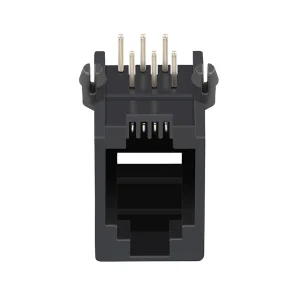
| Top Entry Vertical RJ45 | SI-46014-F | 10/100 Base-T | Vertical (180 degree entry) | Integrated metal shield with LEDs | Industrial motherboards, instrumentation |
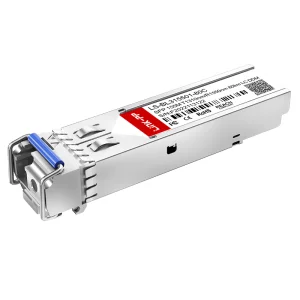
| Single Mode SFP Module | Bidi 80km SFP | 155 Mbps / Fast Ethernet | LC Optical Interface, Hot-pluggable SFP | Metallic SFP Cage compatible | Long-haul metropolitan telecom loops |
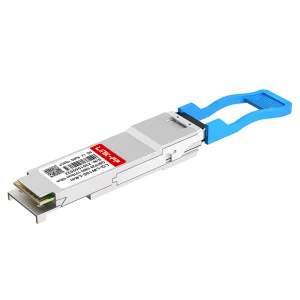
| QSFP28 Optical Transceiver | 100GBASE-LR4 | 100 Gbps | LC Duplex, QSFP28 form factor | Fully enclosed metal casing for low EMI | Hyperscale cloud data center spine-leaf interconnects |
Our components are integrated into major vertical markets that require uninterrupted data flows and long-term hardware reliability.
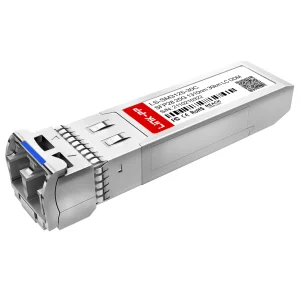
Modern data centers deploy leaf-spine switches with hundreds of optical ports. The integration of high-reliability transceivers (such as our 100G QSFP28 LR4 and 25G SFP28 30km modules) ensures error-free data packet forwarding over single-mode fibers across distant server halls. Our modules feature internal Digital Diagnostics Monitoring (DDM) for real-time monitoring of optical output power, temperature, and supply voltage.
Carrier networks demand components capable of withstanding extreme environmental shifts. Lumetra's telecom transformers and industrial-grade RJ45 magnetic modules are rated for operating temperatures from -40°C to +85°C. Excellent return loss (typically < -18dB at critical high frequencies) protects signals against reflection and distortion across lengthy legacy copper loops.
Industrial machinery generates severe electromagnetic noise. Standard unshielded connectors suffer from EMI-induced packet losses. Our shielded RJ45 connectors with EMI fingers provide a low-impedance ground path directly back to the metal chassis. This prevents electrostatic discharge (ESD) and radiated noise from interfering with critical factory automation controls.
Our commitment to continuous innovation is backed by active engineering development targeting higher bandwidth and denser physical packages.
As corporate offices and Edge data nodes transition from 1G to 2.5G/5G and 10G networks, passive physical-layer components must adapt. We are engineering the next wave of high-density magnetic RJ45 jacks with redesigned internal winding configurations to suppress crosstalk up to 500 MHz, aligning with Category 6A and Category 8 requirements.
In parallel, our optical development team is optimizing high-frequency SMT coplanarity down to 0.1mm. This ensures reliable automated SMT solder joints and prevents micro-fractures in solder pads during thermal shock cycles. Additionally, our transceiver development is migrating from NRZ modulation formats to advanced PAM4 (Pulse Amplitude Modulation) architectures to support 200G and 400G optical networking form factors.
We combine strict international manufacturing standards with responsive localized logistics support.
Our entire catalog of RJ45 magnetic connectors and transceivers meets strict global regulations. Lumetra products conform to RoHS, REACH, and CE certifications. Plastic components use premium glass-filled thermoplastic materials rated UL94-V0 to limit flame propagation in data center environments.
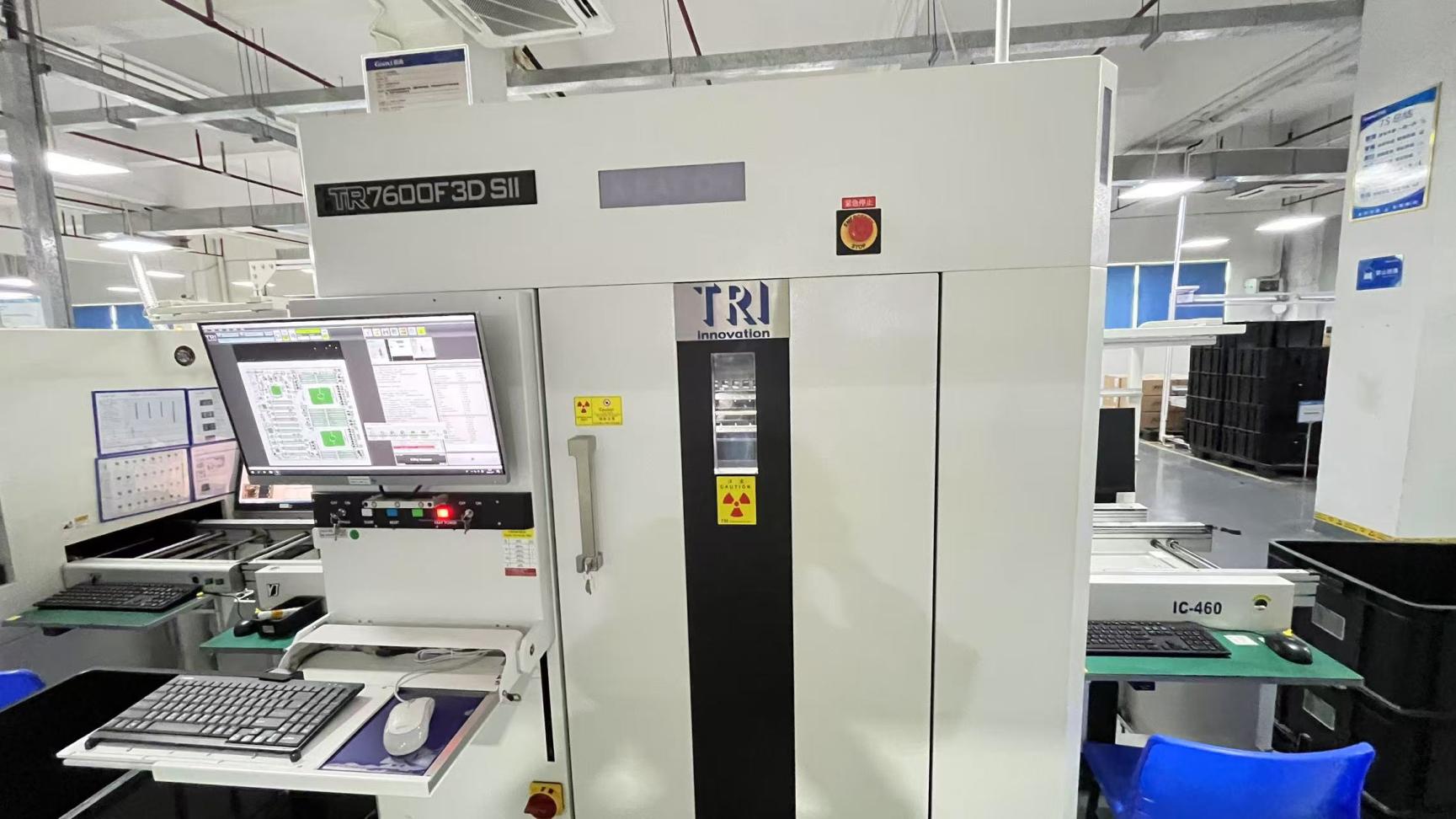
With 48 dedicated QC inspectors, quality assurance begins at the raw material phase and extends through advanced testing stages. Each batch of high-speed optical transceivers undergoes Automated Optical Inspection (AOI), high-temperature aging chambers, and loopback bit-error-rate testing (BERT) to eliminate early component failures.
We serve primary telecommunication and data distribution markets across North America, Europe, Southeast Asia, and the Middle East. Through regional logistics partnerships, we ensure fast customs processing and support customer-specific labeling, custom packaging, and flexible shipping terms (FOB, CIF, DDP).
Crucial engineering and procurement answers regarding high-density modular connectors and transceiver integration.
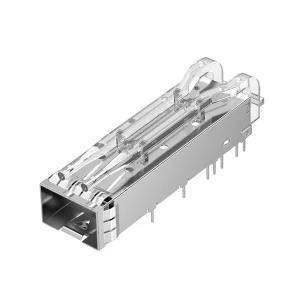
Browse our selection of LAN filters, SFP+ cages, and multi-port connectors designed to optimize modern telecommunication equipment.